Aswan
Overview
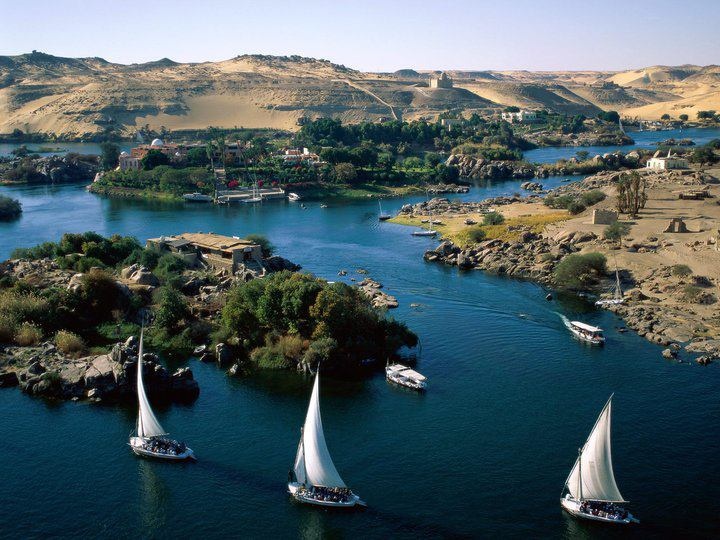
Aswan: The Golden Gateway to the South Aswan is Egypt’s sun-drenched southern frontier, a city where the Nile is at its most beautiful, flowing through dramatic granite rocks and emerald-green islands. Historically the gateway to Africa and the source of the granite used for the Pyramids, it served as a vital military garrison and trade hub for the Pharaonic Empire. Today, it remains a cultural crossroads where ancient Egyptian legacy blends seamlessly with the vibrant, living heritage of the Nubian people.
General Information & Facts
Ancient Name: Known to the ancient Egyptians as Swenett, meaning "trade" or "market," and later as Syene by the Greeks.
The Granite Source: Almost all of the red granite found in Egypt’s ancient temples and obelisks was quarried right here in Aswan.
Nubian Culture: It is the heart of the Nubian community in Egypt, distinguished by unique music, colorful architecture, and the Nobiin language.
Modern Significance: Home to the Aswan High Dam, a feat of 20th-century engineering that created Lake Nasser, one of the world's largest man-made reservoirs.
The Aswan Hart Center and research, Magdi Yacoub Foundation is a cornerstone of modern Aswan and a symbol of humanitarian excellence in Egypt. Founded by the world-renowned cardiothoracic surgeon Sir Magdi Yacoub, this center is dedicated to providing state-of-the-art cardiovascular care at no cost to the underprivileged.
Climate: One of the driest and sunniest inhabited places on earth; it is common to go years without seeing significant rainfall.
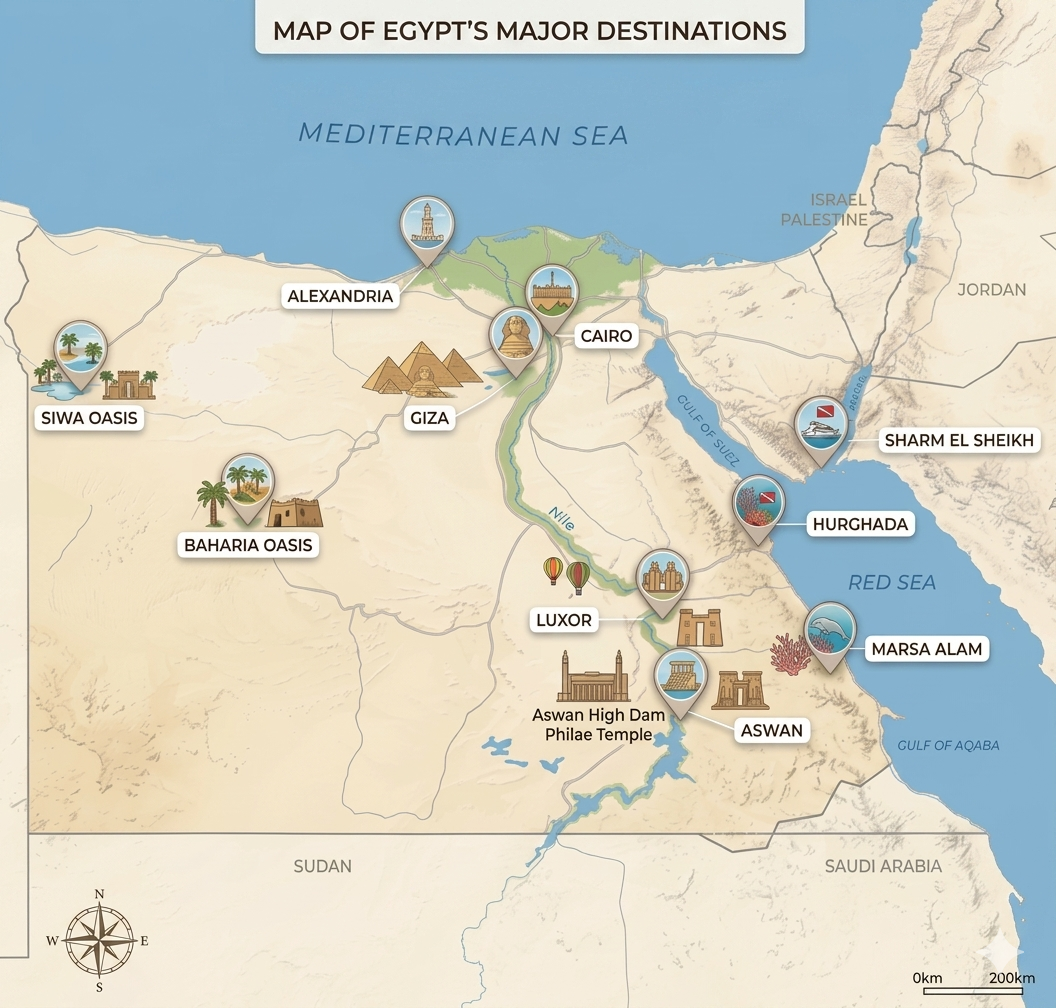
Map
Things to Do
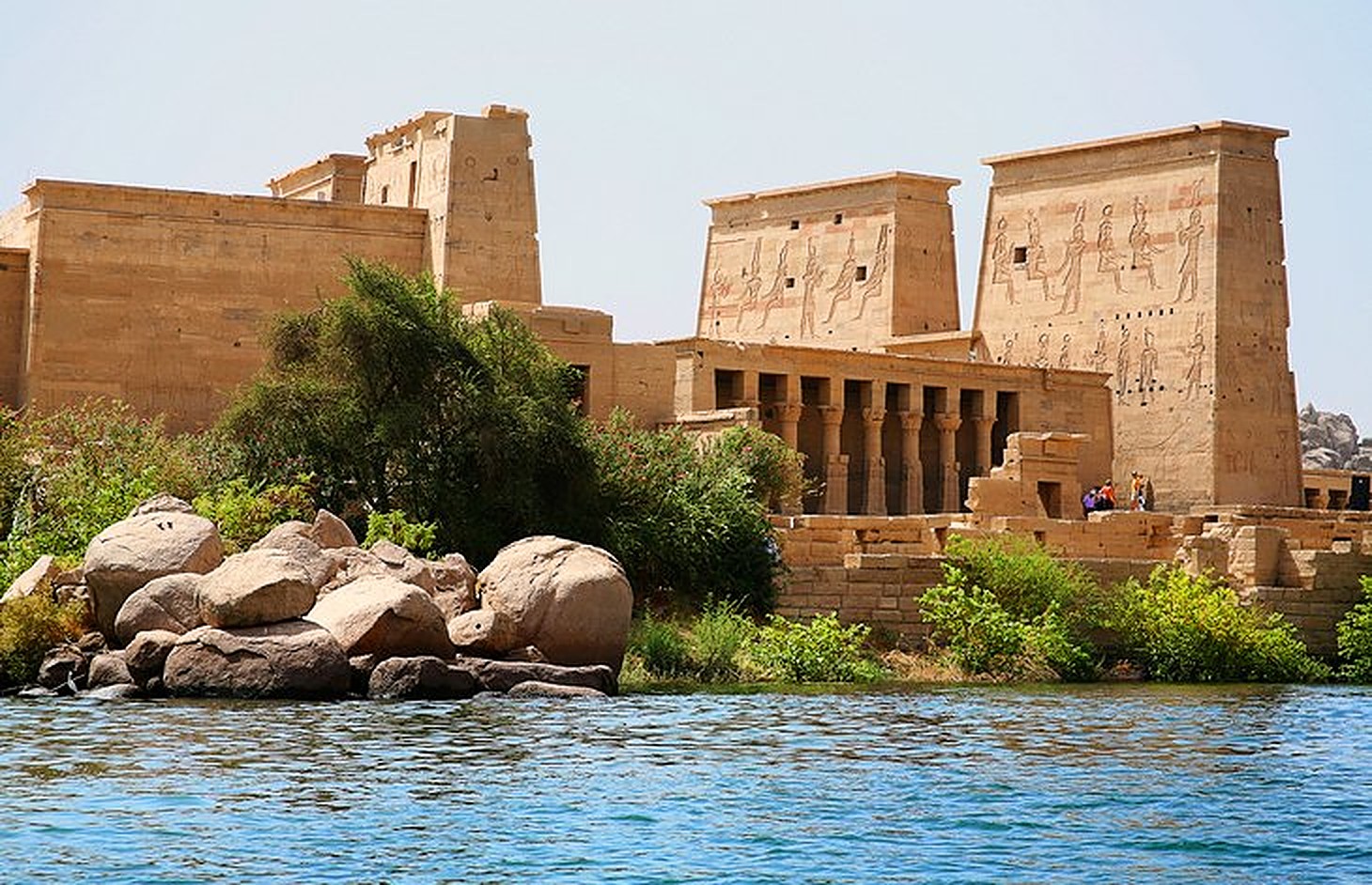
Philae Temple
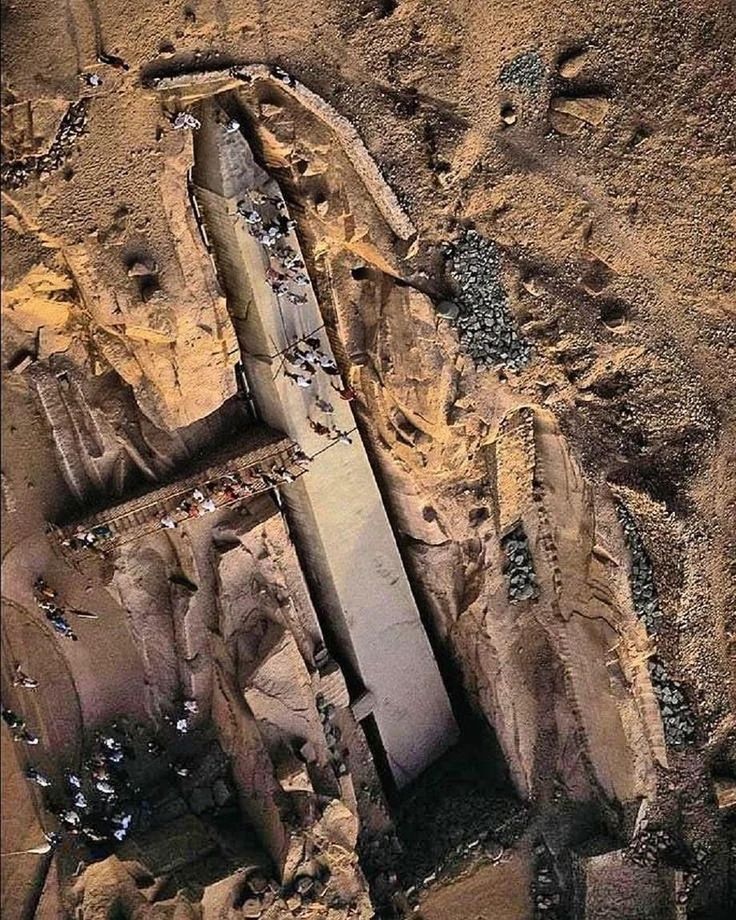
Unfinished Obelisk
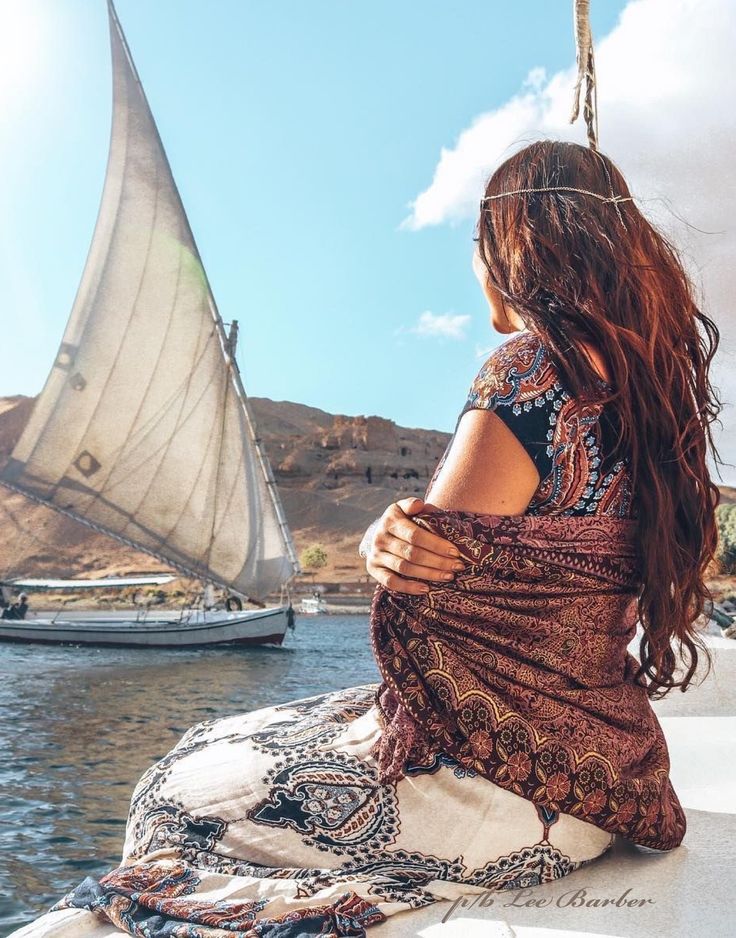
Sail on a Felucca
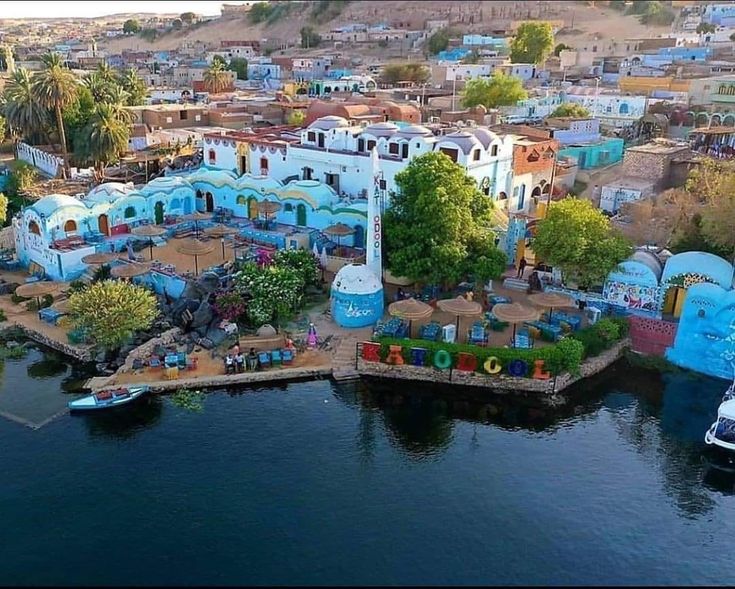
Nubian Village
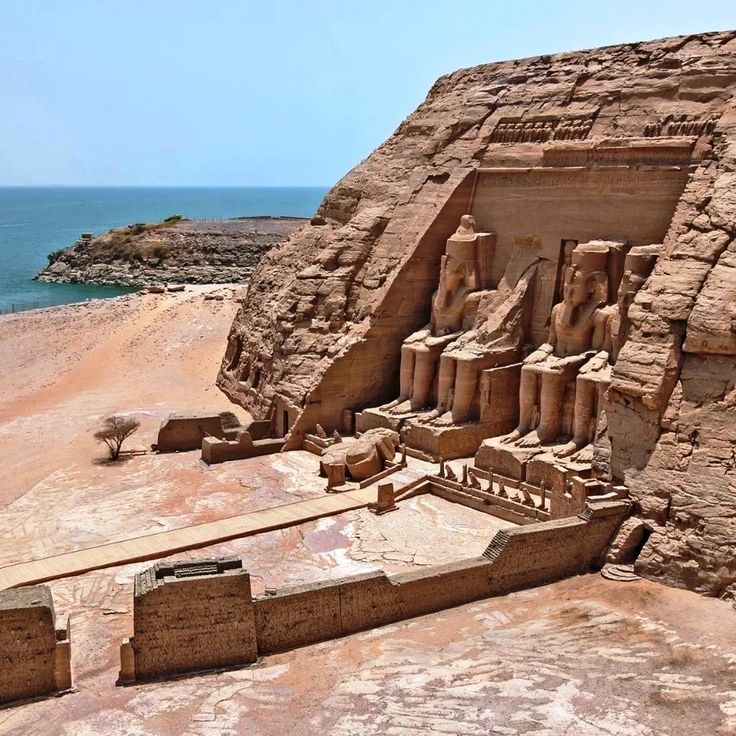
Abu Simbel
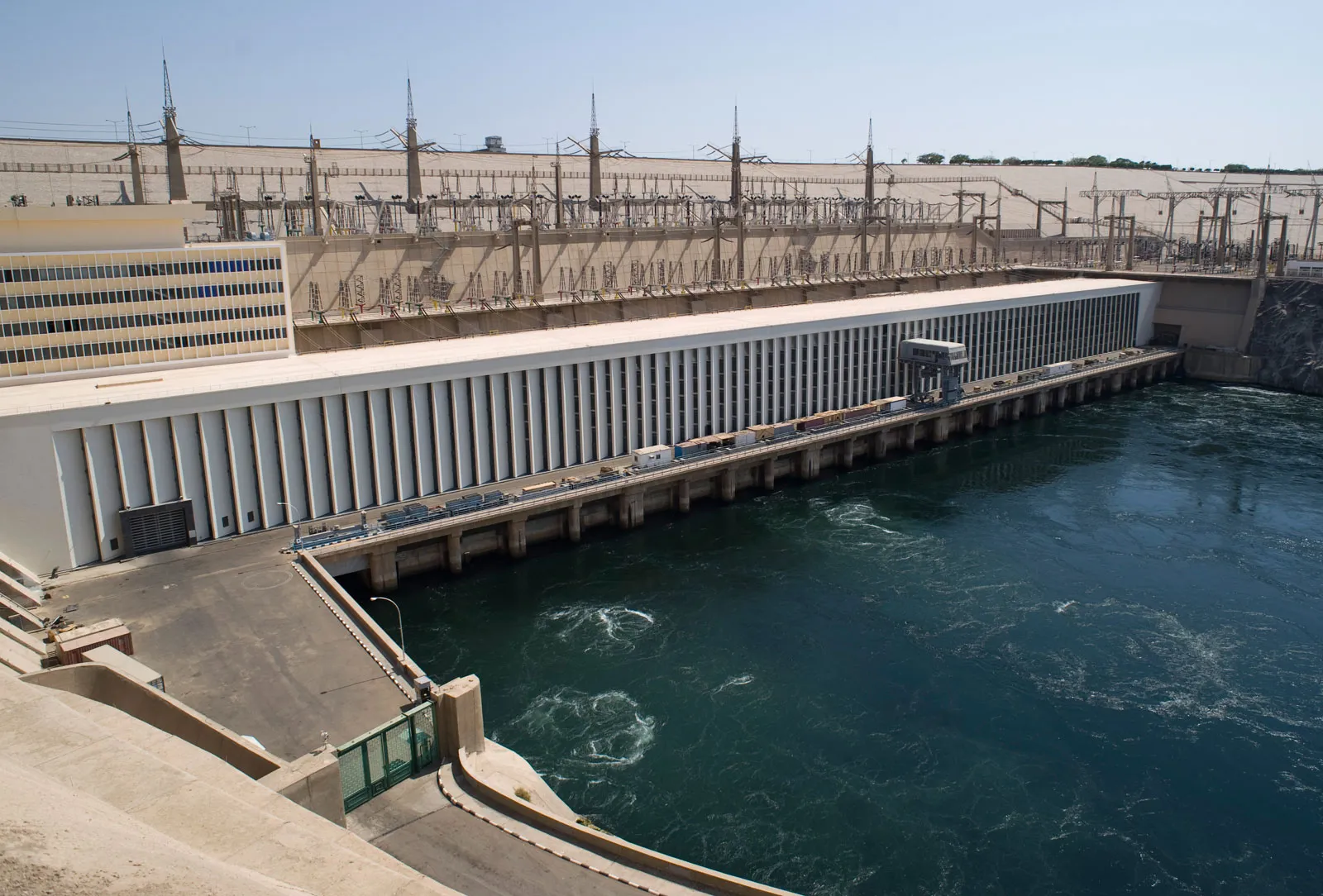
Aswan High Dam
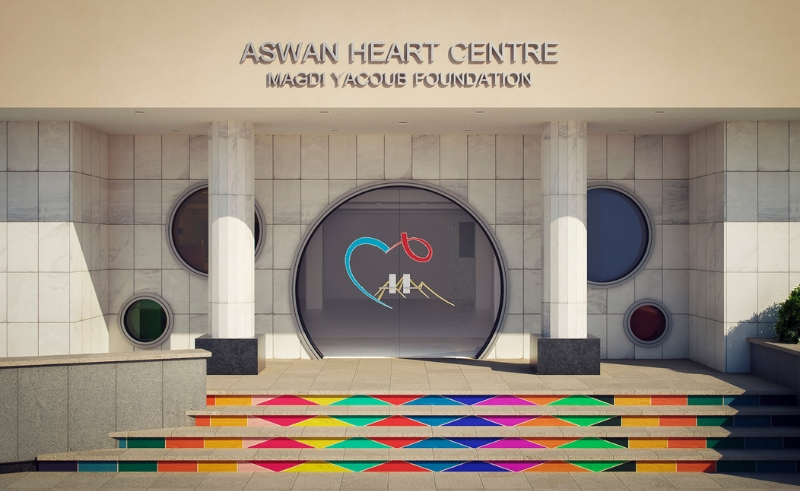
Aswan Heart Centre and research, Magdi Yacoub Foundation
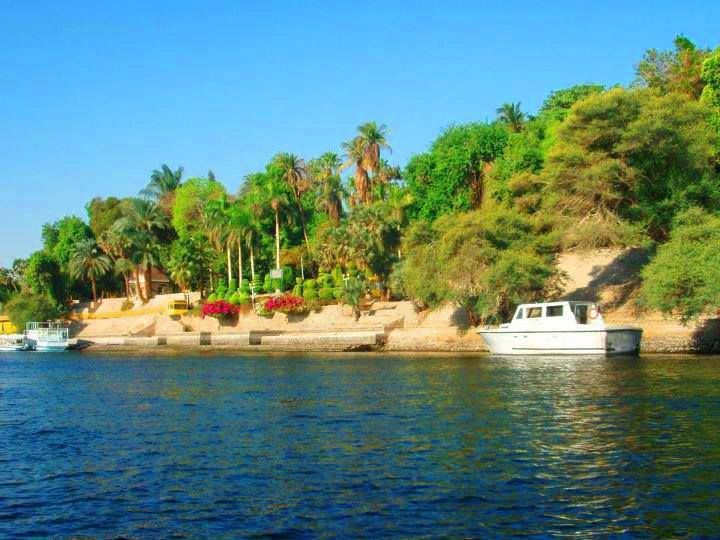
Botanical Gardens
Tips
Tips for Visiting Aswan Master the Art of the "Felucca" Sunset: Always negotiate the price for a felucca (traditional sailboat) ride before boarding. For the best experience, aim for an hour before sunset to see the granite islands turn golden. The Early Bird Gets the Quiet: If you are taking the convoy to Abu Simbel, expect a very early start (around 4:00 AM). To beat the crowds at local sites like Philae Temple, try to arrive right when they open at 7:00 AM. Stay on an Island: For a truly peaceful experience, consider staying in a Nubian guesthouse on Elephantine Island or Bigeh Island. It’s quieter than the mainland and offers a more authentic look at local life. Hydration & Sun Protection: Aswan is significantly hotter and drier than Cairo or Luxor. Even in winter, the sun is intense. Carry water at all times and wear a hat; "temple fatigue" is often just mild dehydration. Negotiation Etiquette: Bargaining is expected in the Aswan Souk. A good rule of thumb is to start at about 50% of the initial asking price and meet somewhere in the middle. Remember to keep the interaction friendly—a smile goes a long way. The Ferry is Your Friend: Instead of private motorboats, use the local public ferry to cross between the East and West banks. It costs only a few Egyptian Pounds and is a great way to travel like a local. Carry Small Change: Keep a stash of small-denomination Egyptian Pounds (5, 10, and 20 EGP notes). You will need them constantly for tipping (baksheesh), public restrooms, and small snacks.
Packages in Aswan
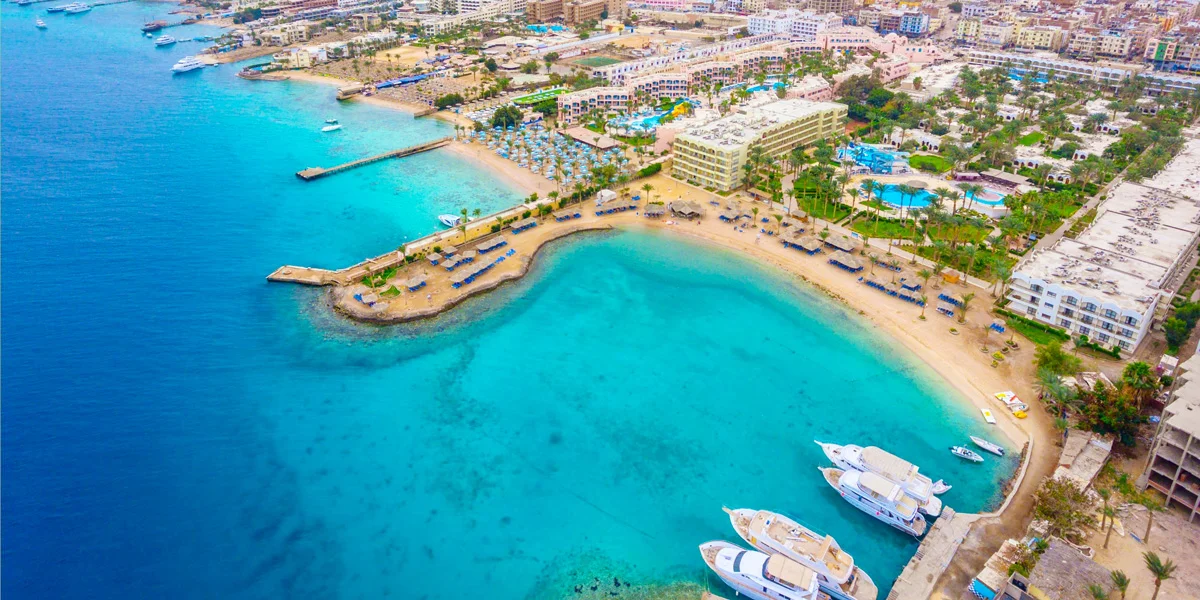
Splendor of Egypt
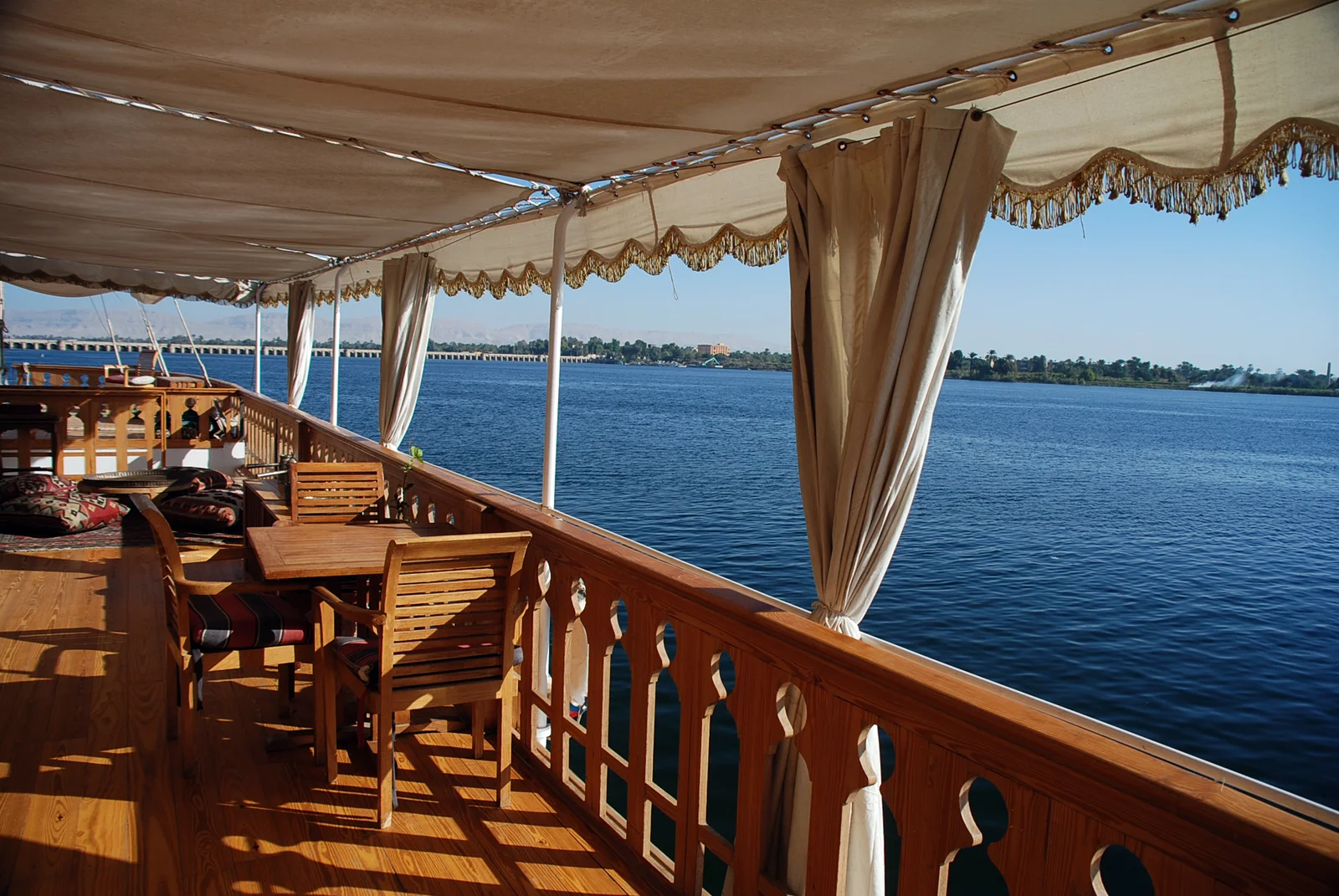
Splendor River Nile
Classical Egypt
Best of Egypt
Highlights of Cairo & Aswan
Nile in Style
Budget Tour of Egypt
Tours in Aswan
 NEW
NEWFull-Day Aswan Highlights Sightseeing Tour
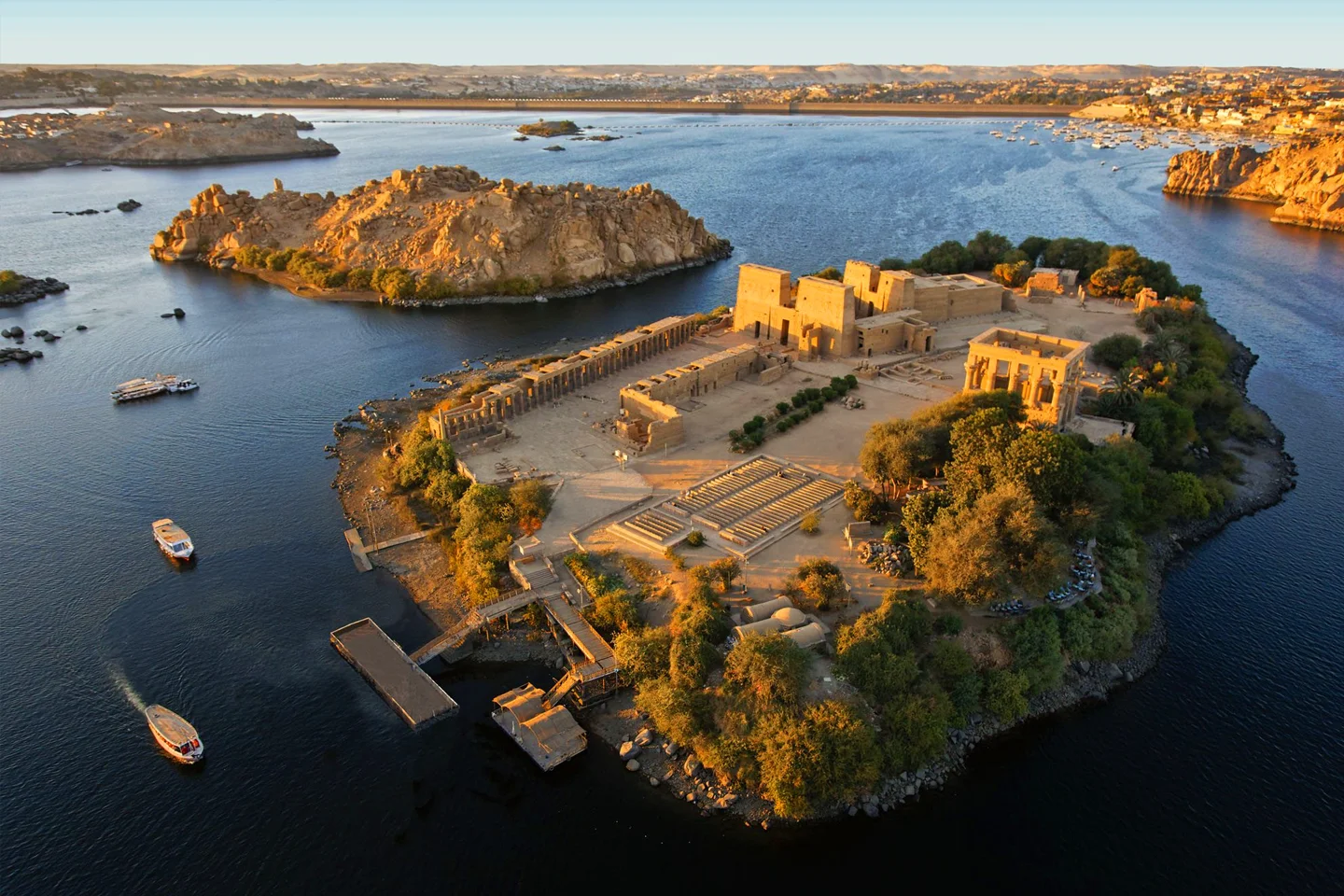
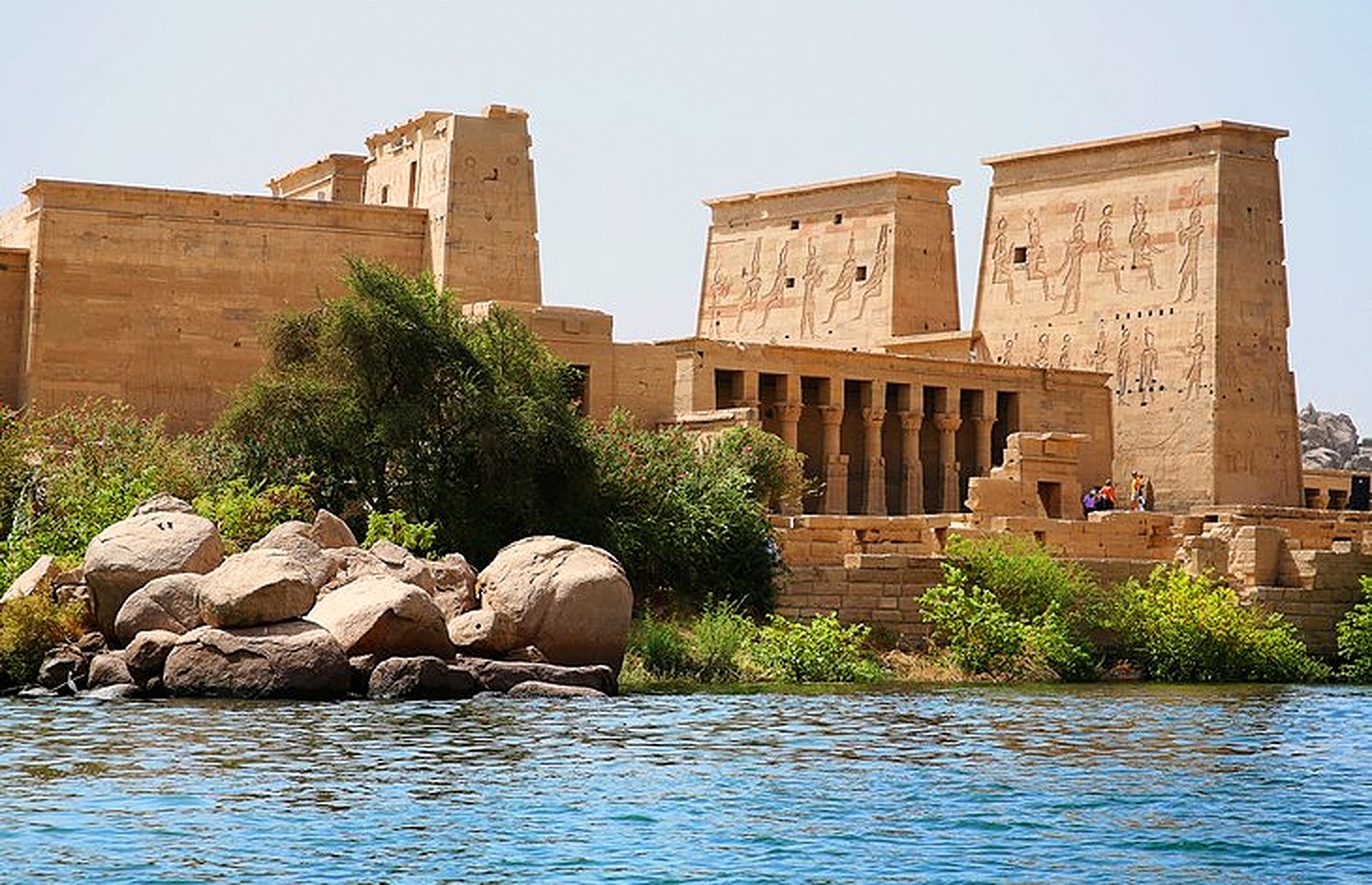
Discover the captivating blend of ancient history, modern engineering, and local flavors that defines Aswan. On this comprehensive full-day tour, you will marvel at the monumental scale of the High Dam, walk the granite quarries of the Pharaohs to view the massive Unfinished Obelisk, and enjoy a delicious lunch at a local restaurant overlooking the Nile. Top off your day with a scenic motorboat ride to the beautiful island temple of Philae, dedicated to the Goddess Isis.
 NEW
NEWAbu Simbel Temples Day Tour from Aswan by bus
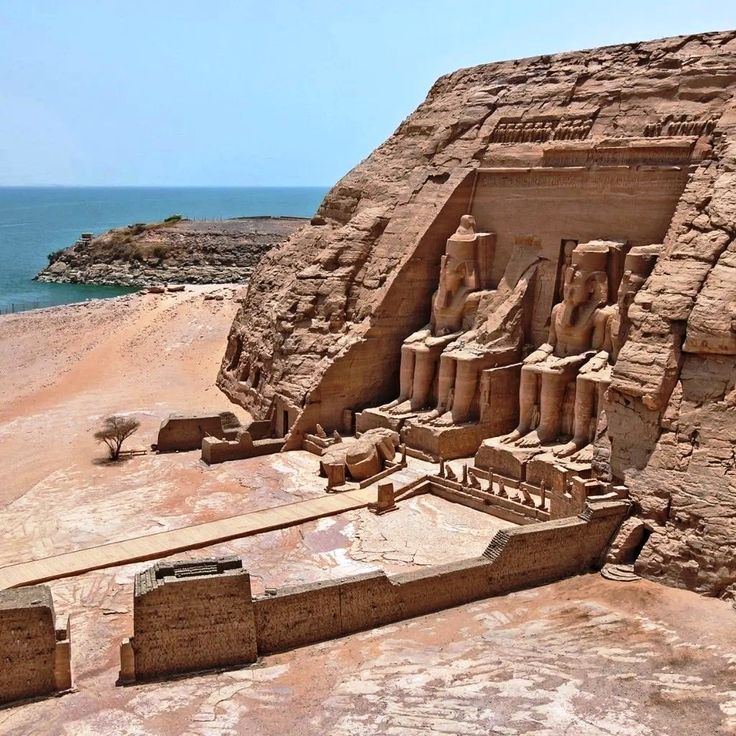
Journey south from Aswan through the Nubian Desert to witness one of Egypt’s most magnificent architectural marvels: the twin temples of Abu Simbel. Carved directly into the mountainside during the reign of Pharaoh Ramesses II, these colossal structures stand as a monumental tribute to the king and his beloved Queen Nefertari. Enjoy hassle-free round-trip transport with an expert Egyptologist guide leading the way.