Explore 12 destinations
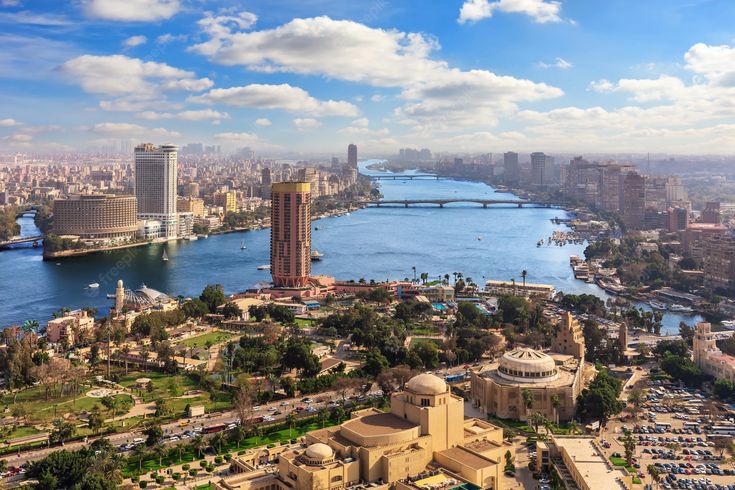
Cairo and Giza are two cities that sit side by side on the banks of the Nile in northern Egypt, forming one of the most historically rich and culturally alive urban areas on earth. Cairo, the capital, is a sprawling megacity where ancient Islamic architecture, buzzing bazaars, and modern life collide in a constant, electrifying chaos. Giza, just across the river to the southwest, is home to the last surviving wonder of the ancient world, the Great Pyramids, and has grown into a dense city in its own right. Together they form a destination unlike anywhere else: where you can stand at a 4,500-year-old pyramid in the morning and sip tea in a centuries-old coffeehouse by evening.
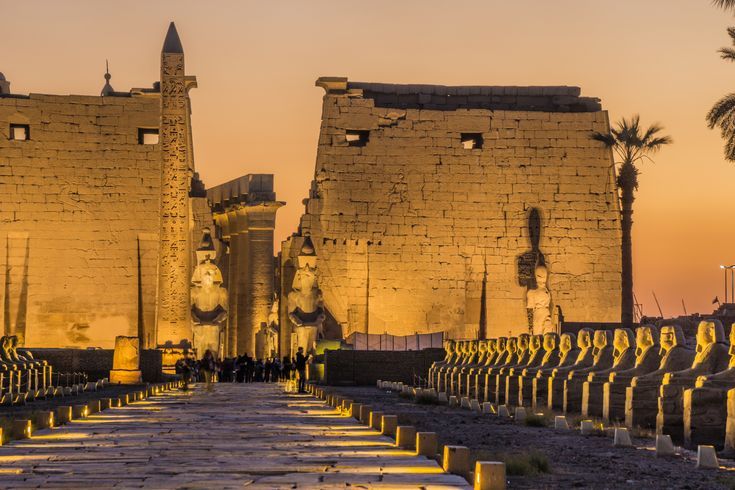
Luxor: The World’s Greatest Open-Air Museum Luxor stands on the site of ancient Thebes, the illustrious capital of the Egyptian Empire at its peak between the 16th and 11th centuries B.C. Known to the ancients as Waset, it was the city of Amun-Ra, the "King of Gods," and served as the spiritual and political heart of the New Kingdom. Today, it is famously split by the Nile into the East Bank—the "City of the Living"—and the West Bank—the "City of the Dead"—offering an unparalleled density of monumental temples and royal tombs.
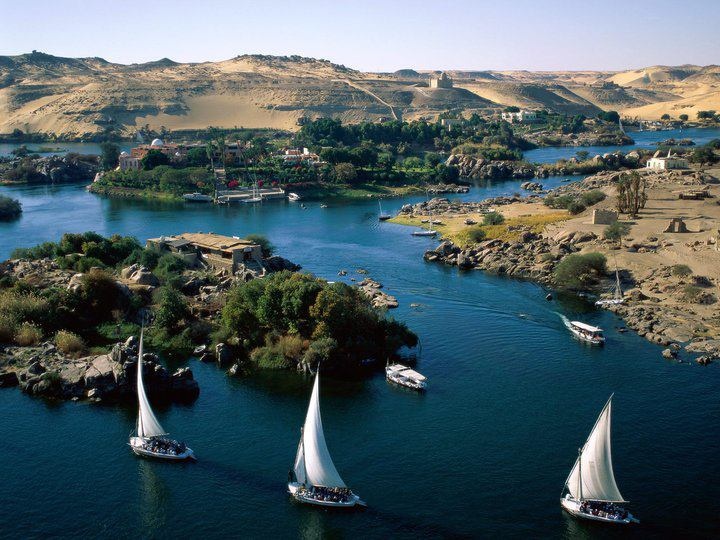
Aswan: The Golden Gateway to the South Aswan is Egypt’s sun-drenched southern frontier, a city where the Nile is at its most beautiful, flowing through dramatic granite rocks and emerald-green islands. Historically the gateway to Africa and the source of the granite used for the Pyramids, it served as a vital military garrison and trade hub for the Pharaonic Empire. Today, it remains a cultural crossroads where ancient Egyptian legacy blends seamlessly with the vibrant, living heritage of the Nubian people.
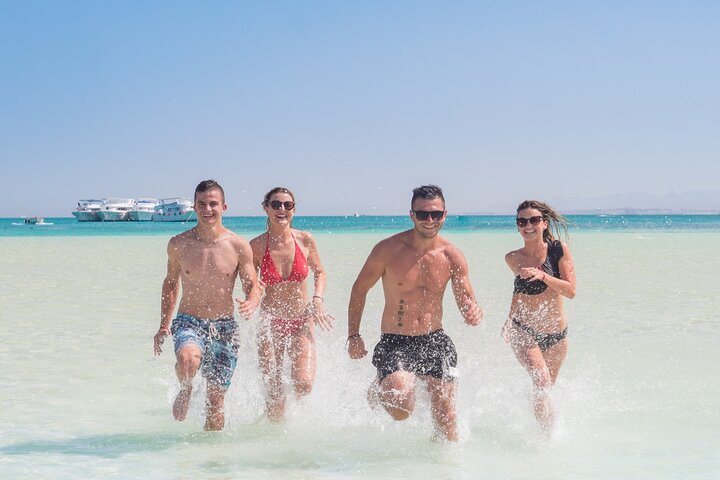
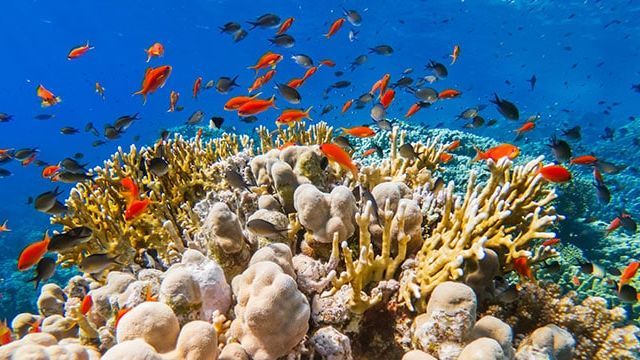
Hurghada: The Jewel of the Red Sea Riviera Hurghada was a quiet, isolated fishing village until the late 20th century when its crystal-clear waters and kaleidoscopic coral reefs caught the world's attention. Founded in the early 1900s, it underwent a massive transformation in the 1980s to become Egypt's premier coastal resort destination. Stretching 40 kilometers along the Red Sea, it now serves as a vibrant bridge between the vast Eastern Desert and some of the most biodiverse marine ecosystems on the planet.
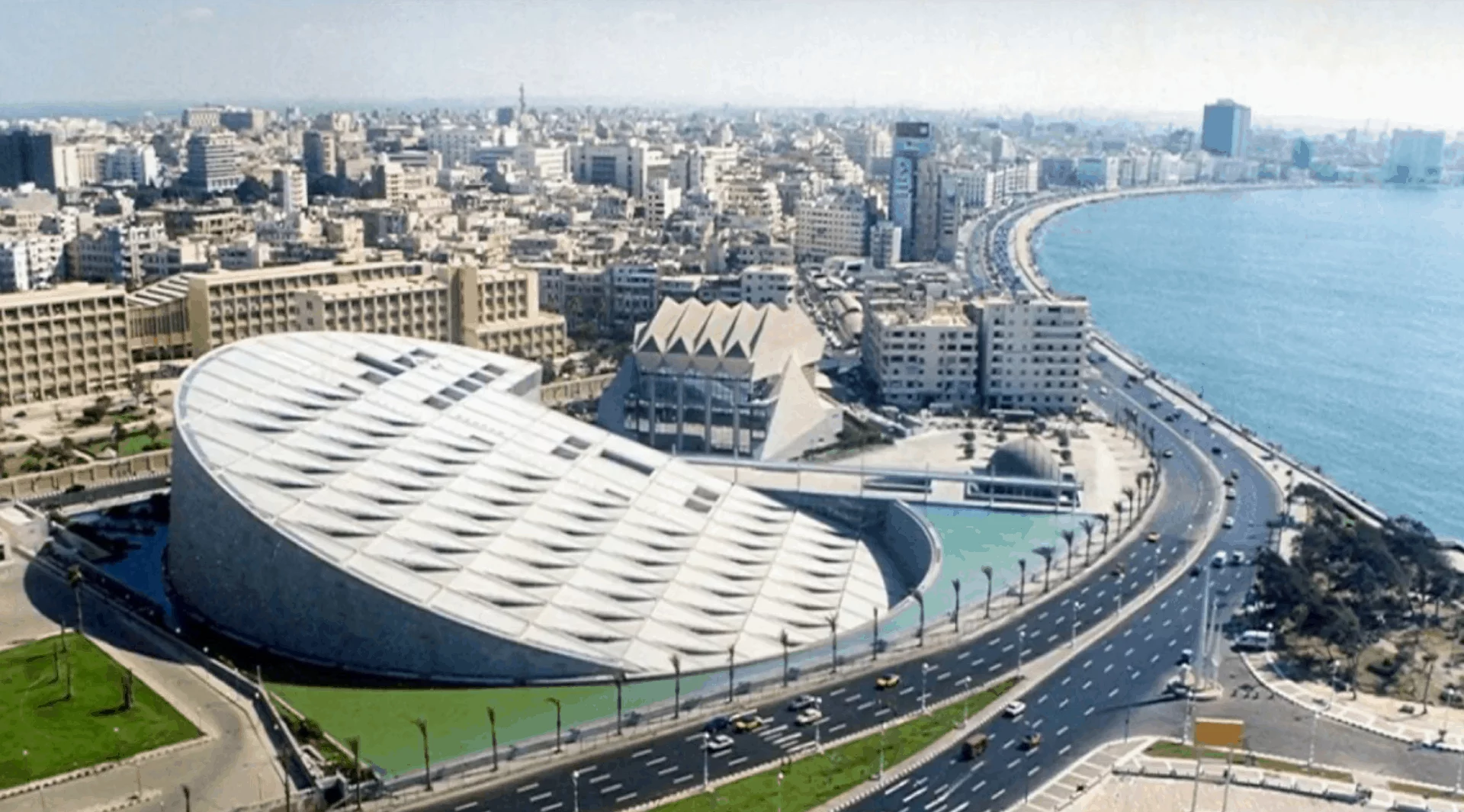
Alexandria: The Pearl of the Mediterranean Alexandria was founded in 331 BCE by Alexander the Great and served as the glittering capital of Egypt for nearly a thousand years. Once the intellectual heart of the ancient world, it was home to the legendary Pharos Lighthouse—one of the Seven Wonders—and the Great Library. Today, it is a vibrant seaside metropolis where faded 19th-century European grandeur meets a distinct Mediterranean soul, offering a cooler, breezier alternative to the Nile Valley.
Sharm El-Sheikh is a world-renowned resort city situated at the southern tip of the Sinai Peninsula, where the desert sands meet the deep blue of the Red Sea. Originally a strategic port and fishing village, it rose to global prominence in the late 20th century as a premier center for international peace summits and high-end tourism. Today, it is celebrated as one of the world's top diving destinations, offering a unique blend of luxury hospitality, rugged mountain landscapes, and some of the most vibrant marine biodiversity found anywhere on earth.
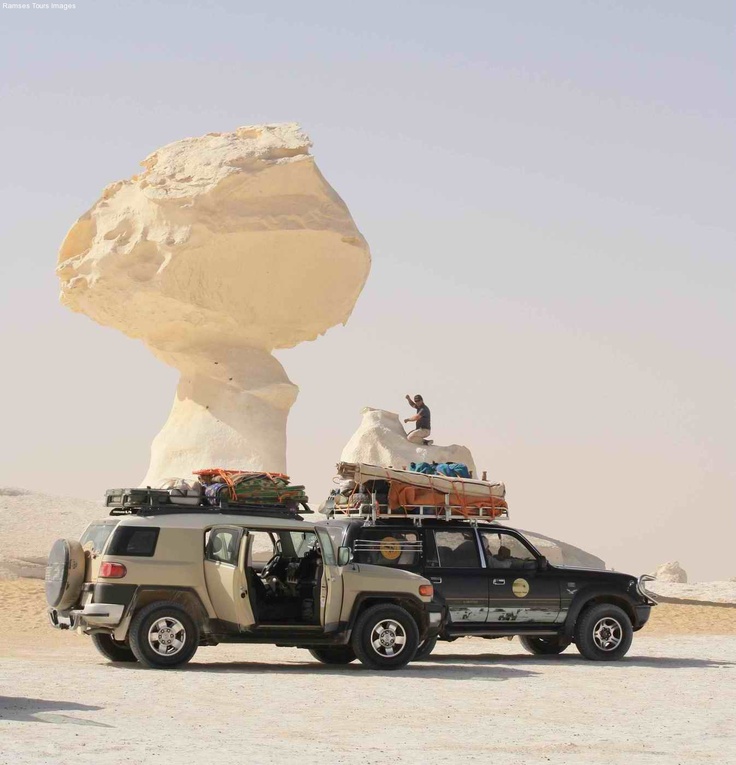
Located about 370 km southwest of Cairo, Bahariya Oasis is a lush haven set within a massive depression surrounded by black volcanic hills. Historically known as the "Northern Oasis," it served as a vital trade link between the Nile Valley and the deep desert, thriving as a major agricultural producer of wine and dates for the Pharaonic and Roman Empires. Today, it is the primary gateway for those seeking the otherworldly landscapes of the Black and White Deserts, offering a quiet, authentic glimpse into Bedouin life and ancient desert secrets.
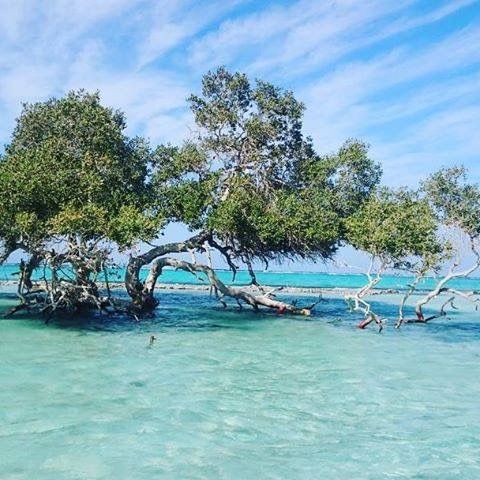
Marsa Alam is Egypt’s rising star of ecotourism, a tranquil coastal town that has transformed from a secluded fishing and mining outpost into a world-class destination for nature lovers. Located in the deep south of the Red Sea, it offers a raw, untouched beauty far removed from the bustling crowds of the northern resorts. Historically significant as a gateway to ancient emerald and gold mines in the Eastern Desert, it now serves as a sanctuary for rare marine life and some of the most vibrant coral reefs in the world.
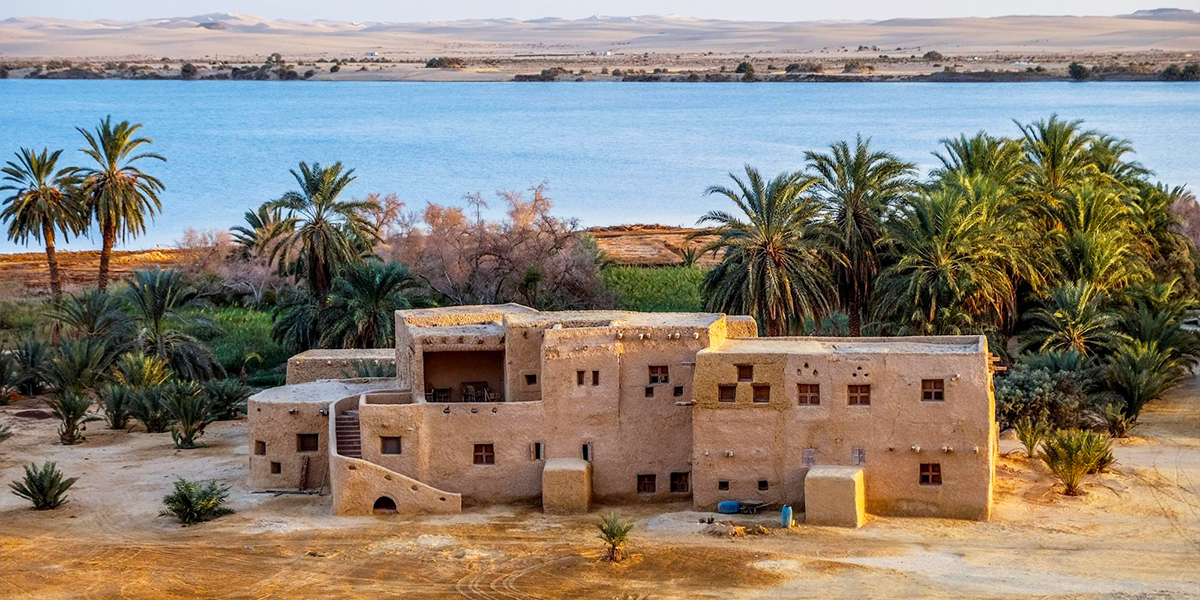
Siwa is Egypt's most remote and enigmatic destination, a lush island of palm trees and olive groves tucked deep into the Western Desert near the Libyan border. Settled since at least the 10th millennium BCE, it rose to fame as the home of the world-renowned Oracle of Amun, famously consulted by Alexander the Great in 331 BCE to confirm his divine lineage. Culturally distinct, its inhabitants are primarily Amazigh (Berber) people who have preserved their unique Siwi language and traditions through centuries of isolation.
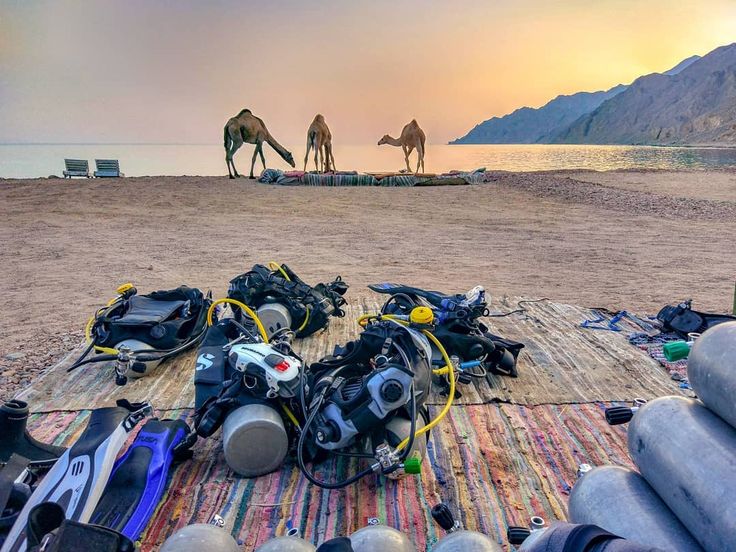
Nestled between the rugged Sinai Mountains and the crystal-clear waters of the Gulf of Aqaba, Dahab is the ultimate destination for those seeking a slower pace of life. Once a quiet Bedouin fishing village, it has transformed into a world-renowned hub for scuba diving, windsurfing, and digital nomads. Unlike the high-rise resorts of its neighbors, Dahab retains an authentic, "low-key" charm. Whether you’re sipping tea at a seaside cafe in Masbat Bay, exploring the golden sands of Laguna, or trekking through the desert, Dahab offers a unique blend of adventure and tranquility that stays with you long after you leave.
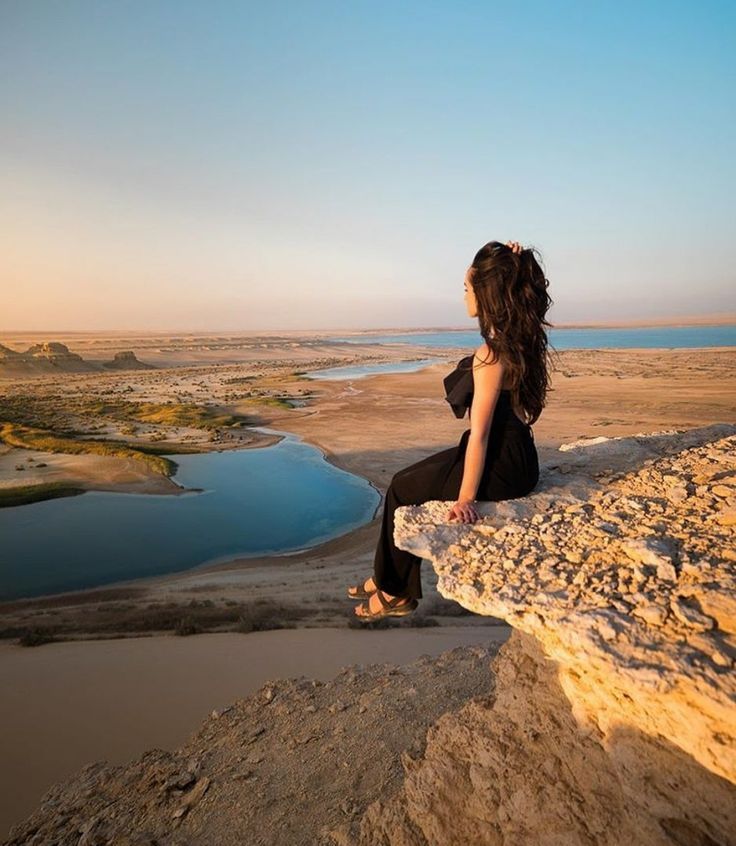
Located just 100 kilometers southwest of Cairo, Fayoum (El Faiyum) is one of the oldest cities in the world. Unlike the Nile Valley, Fayoum is a sprawling oasis fed by a canal of the Nile, creating a unique ecosystem where desert dunes meet sparkling lakes and green farmland. Known for the stunning Lake Qarun, the UNESCO-listed Whale Valley, and the charming pottery village of Tunis, Fayoum is a haven for history buffs, nature lovers, and birdwatchers. It offers a peaceful retreat where you can explore Greco-Roman ruins in the morning and sandboard down golden dunes by sunset.
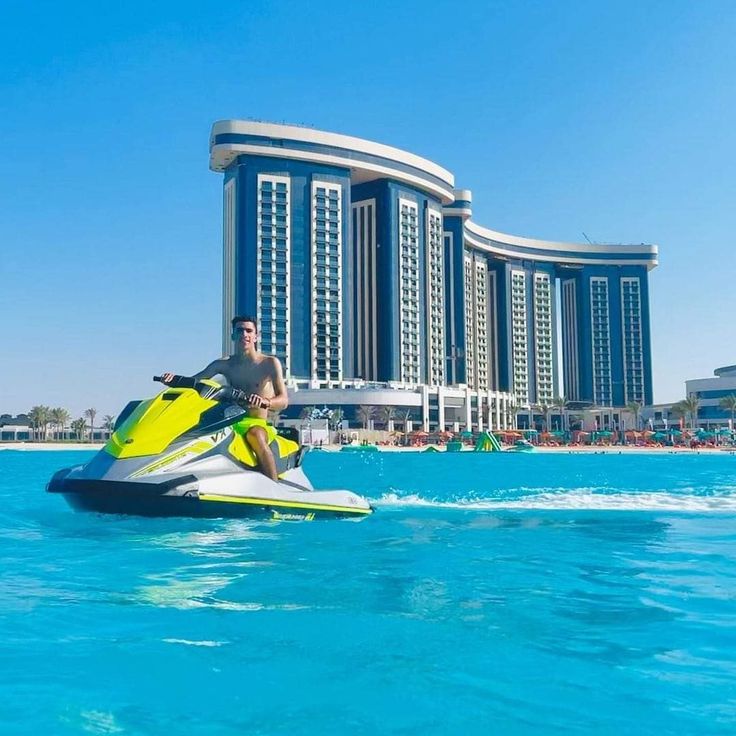
Stretching over 500 kilometers from Alexandria to the Libyan border, Egypt’s North Coast is famous for having some of the whitest sands and clearest turquoise waters in the Mediterranean. This isn't just a beach destination; it’s a lifestyle. From the historic charm of El Alamein to the ultra-luxurious gated communities of Marassi and Ras El Hekma, "Sahel" is where Egypt comes to play during the summer. Whether you're looking for high-octane nightlife, world-class golf courses, or a quiet family villa by the sea, the North Coast offers a "Maldives-meets-Mediterranean" experience. Beyond tourism, the region is also becoming a cornerstone of Egypt’s industrial future. A key highlight of the landscape is the El Dabaa Nuclear Power Plant, Egypt's first nuclear energy project. Located in the El Dabaa district, this massive four-unit facility is a landmark of modern engineering and a symbol of the country's move toward sustainable, high-tech infrastructure. For travelers driving along the coastal road, the plant serves as a prominent reminder of the rapid development and strategic importance of this beautiful stretch of coastline.