Dahab
Overview
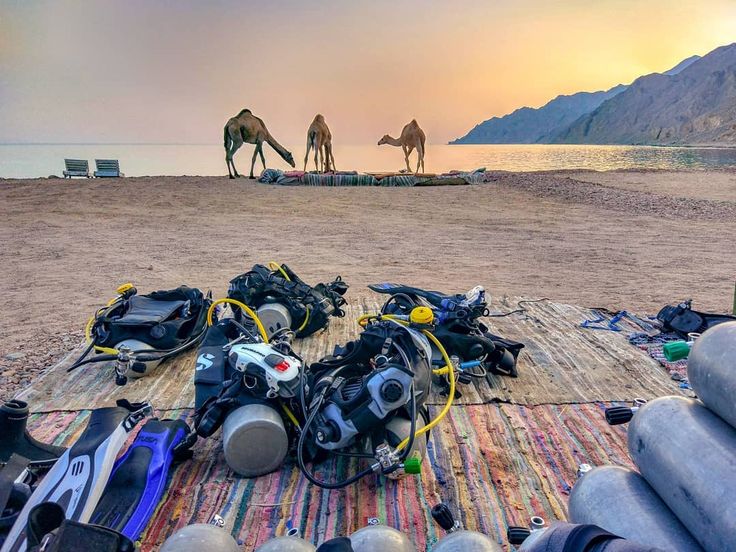
Nestled between the rugged Sinai Mountains and the crystal-clear waters of the Gulf of Aqaba, Dahab is the ultimate destination for those seeking a slower pace of life. Once a quiet Bedouin fishing village, it has transformed into a world-renowned hub for scuba diving, windsurfing, and digital nomads. Unlike the high-rise resorts of its neighbors, Dahab retains an authentic, "low-key" charm. Whether you’re sipping tea at a seaside cafe in Masbat Bay, exploring the golden sands of Laguna, or trekking through the desert, Dahab offers a unique blend of adventure and tranquility that stays with you long after you leave.
General Information & Facts
Before you pack your bags, here is everything you need to know about this golden slice of the Sinai Peninsula:
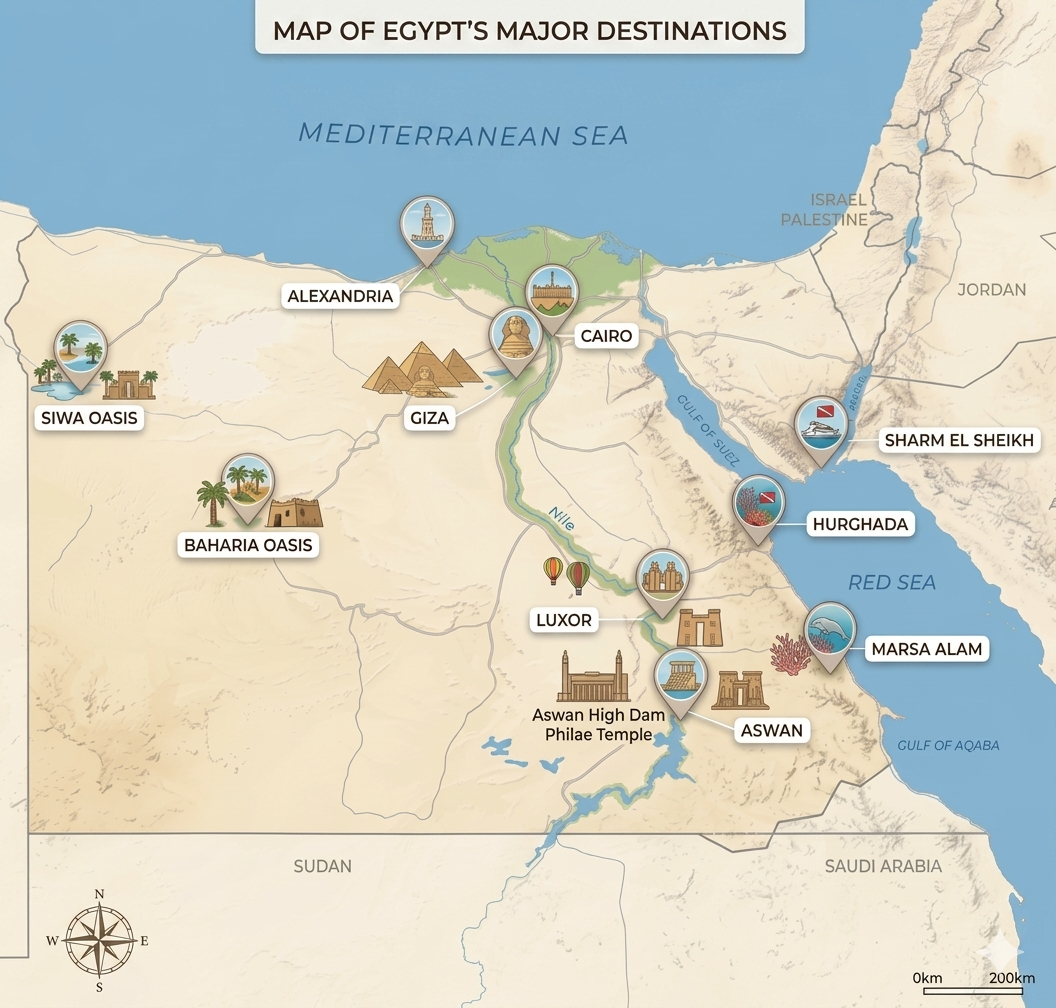
Location: Southeast coast of the Sinai Peninsula, approx. 1 hour from Sharm El Sheikh.
Meaning: "Dahab" means "Gold" in Arabic, likely referring to the golden sands or the sunset hues.
Climate: Sunny year-round. Best visited from March to May or September to November.
Vibe: Bohemian, eco-friendly, and adventure-oriented.
Currency: Egyptian Pound (EGP), though many dive centers accept USD/EUR.
Language : Arabic, but English is widely spoken in tourist areas.
Map
Things to Do
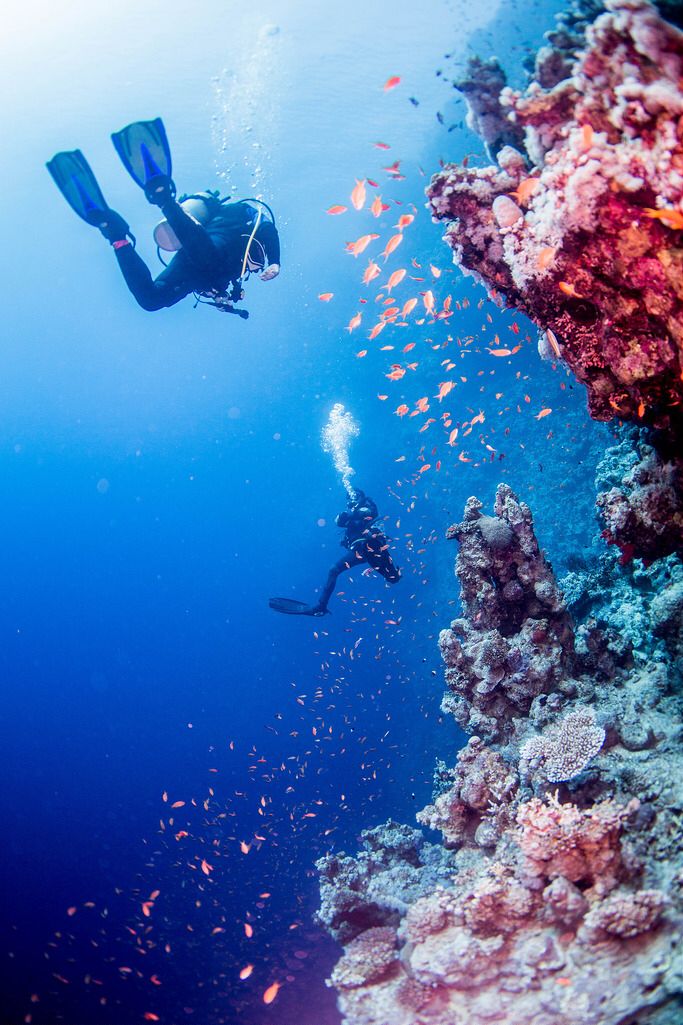
Dive the Legendary Blue Hole
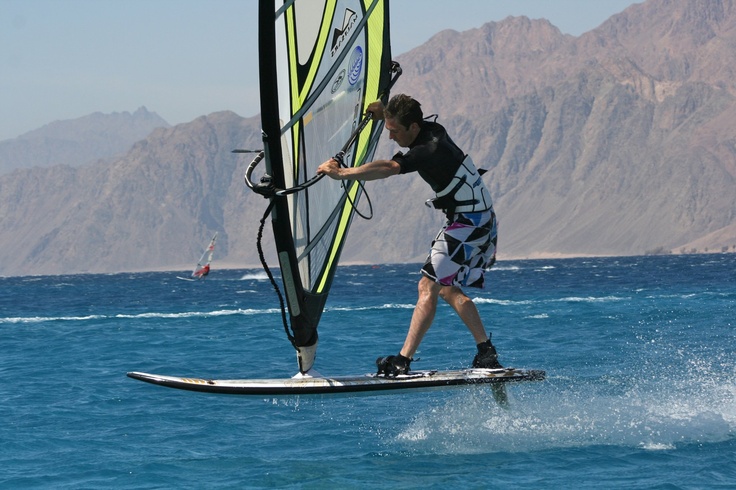
Windsurfing and Kitesurfing at The Lagoon
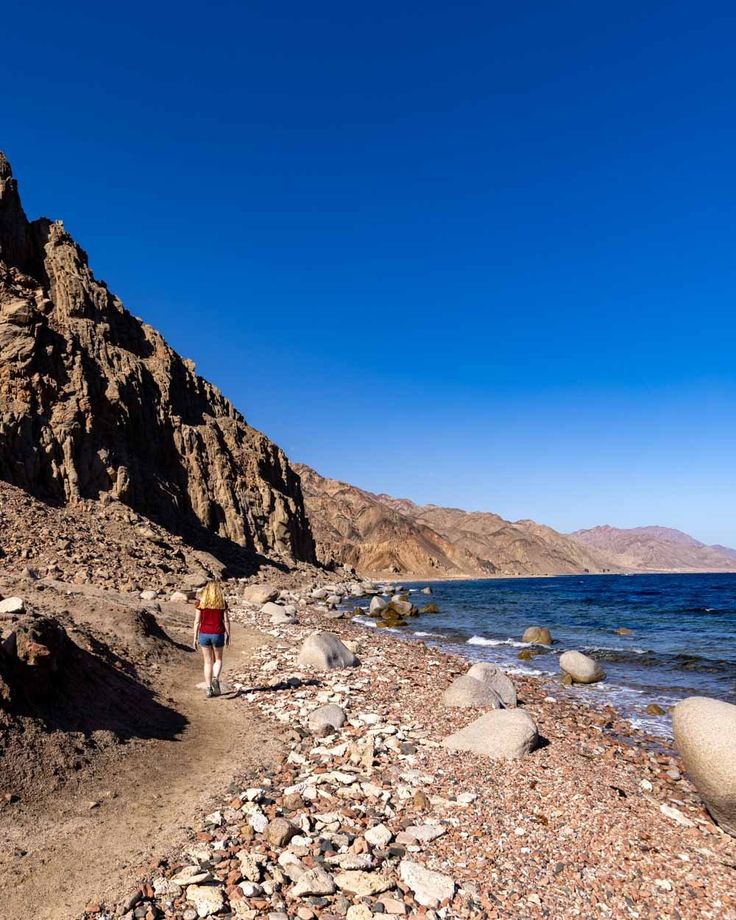
Hike to Ras Abu Galum & Blue Lagoon
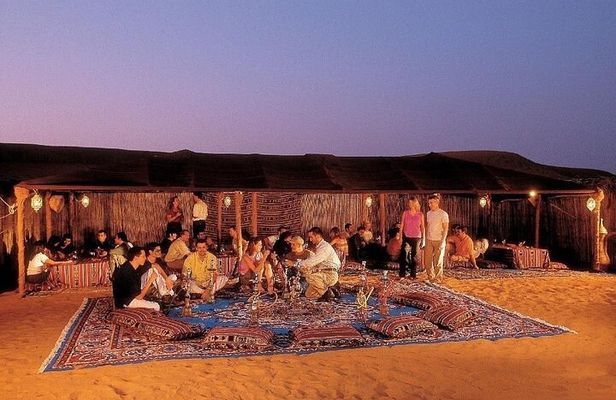
Dinner in a Bedouin Camp
Tips
Best Time to Visit Dahab While Dahab is a year-round destination, the "best" time depends on whether you're coming for the wind, the water, or the wandering. - Spring (March – May): The "Goldilocks" season. The weather is perfect (25°C – 30°C), making it the best time for both diving and desert trekking. - Autumn (September – November): Ideal for divers. The Red Sea is at its warmest after the summer heat, and the air temperature becomes pleasant again. - Summer (June – August): Hot but manageable thanks to the coastal breeze. This is peak season for windsurfers and kitesurfers who come for the consistent, strong winds. - Winter (December – February): Sunny days but chilly nights. Great for budget travelers and those looking for a quiet, "local" vibe, though the water can be brisk for long swims.