Luxor
Overview
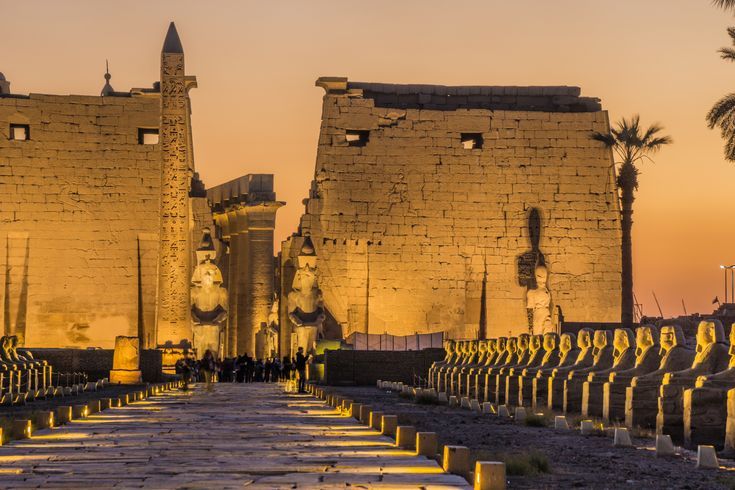
Luxor: The World’s Greatest Open-Air Museum Luxor stands on the site of ancient Thebes, the illustrious capital of the Egyptian Empire at its peak between the 16th and 11th centuries B.C. Known to the ancients as Waset, it was the city of Amun-Ra, the "King of Gods," and served as the spiritual and political heart of the New Kingdom. Today, it is famously split by the Nile into the East Bank—the "City of the Living"—and the West Bank—the "City of the Dead"—offering an unparalleled density of monumental temples and royal tombs.
General Information & Facts
UNESCO World Heritage: The entire city and its surrounding necropolis were designated a UNESCO site in 1979.
The Avenue of Sphinxes: A recently restored 2.7-kilometer road lined with over 1,000 sphinx statues connects the Karnak and Luxor temples.
Religious Hub: While it was the center of ancient worship, it also houses the Mosque of Abu Haggag, which was built directly on top of the ruins of Luxor Temple.
The Royal Burial Ground: Unlike the pyramid-builders of the Old Kingdom, the New Kingdom pharaohs chose to hide their tombs deep within the limestone cliffs of the West Bank to deter grave robbers.
The "Hundred Gated City": This was the name given to the city by the Greek poet Homer, referring to the many monumental gates (pylons) of its massive temples.
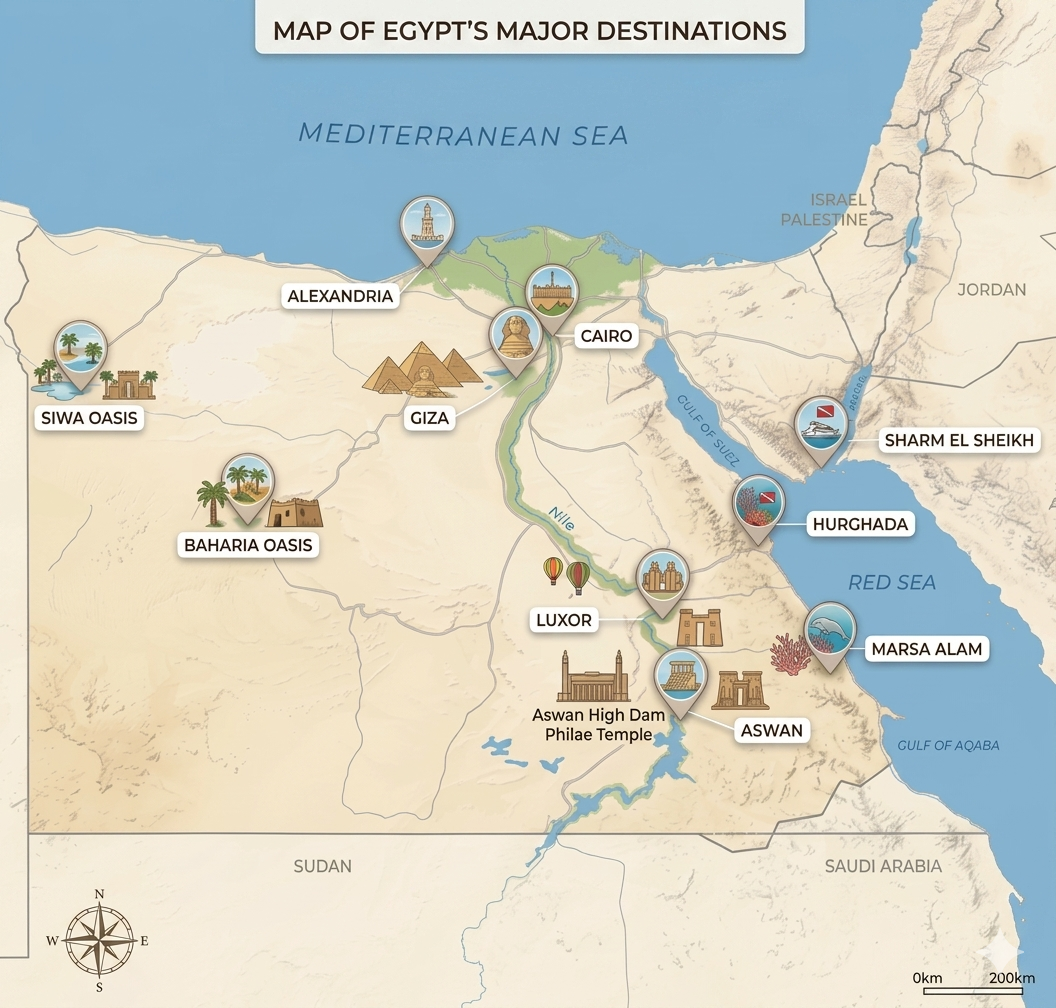
Map
Things to Do
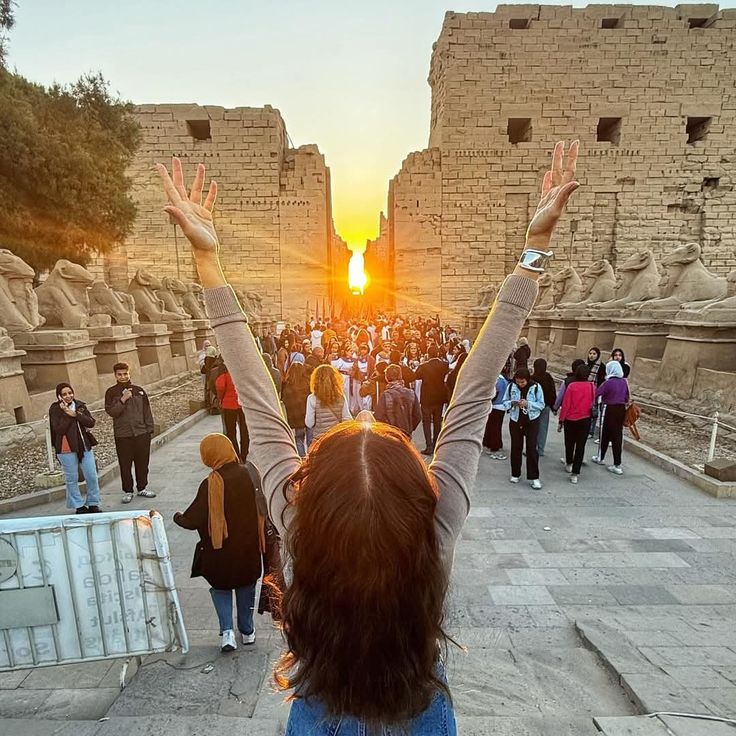
Karnak Temple Complex
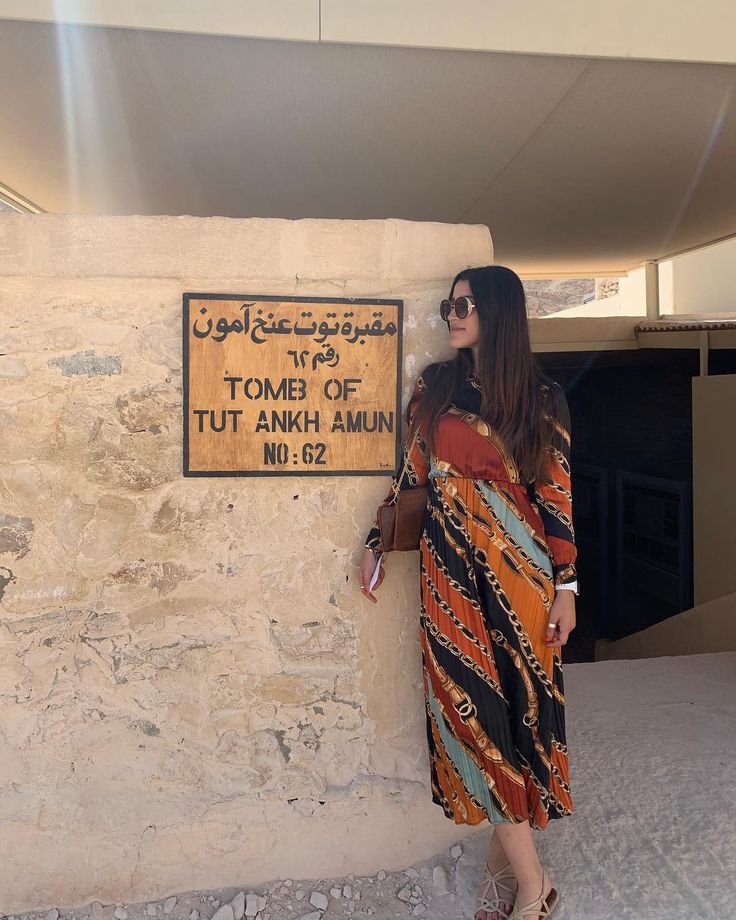
Valley of the Kings
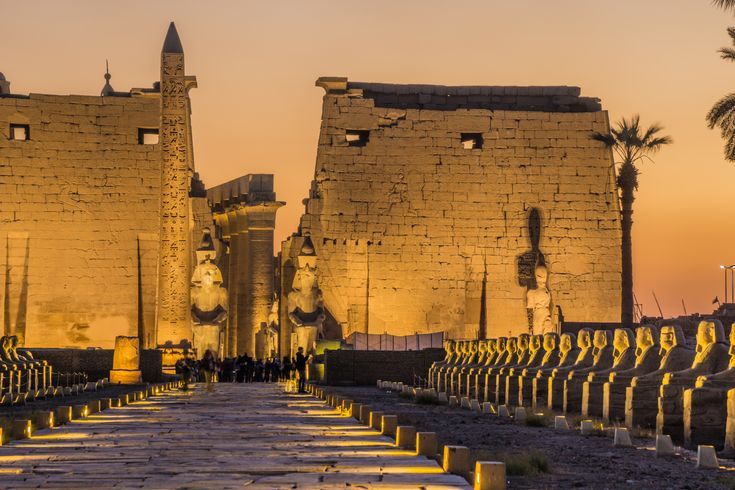
Luxor Temple

Hot Air Balloon Ride
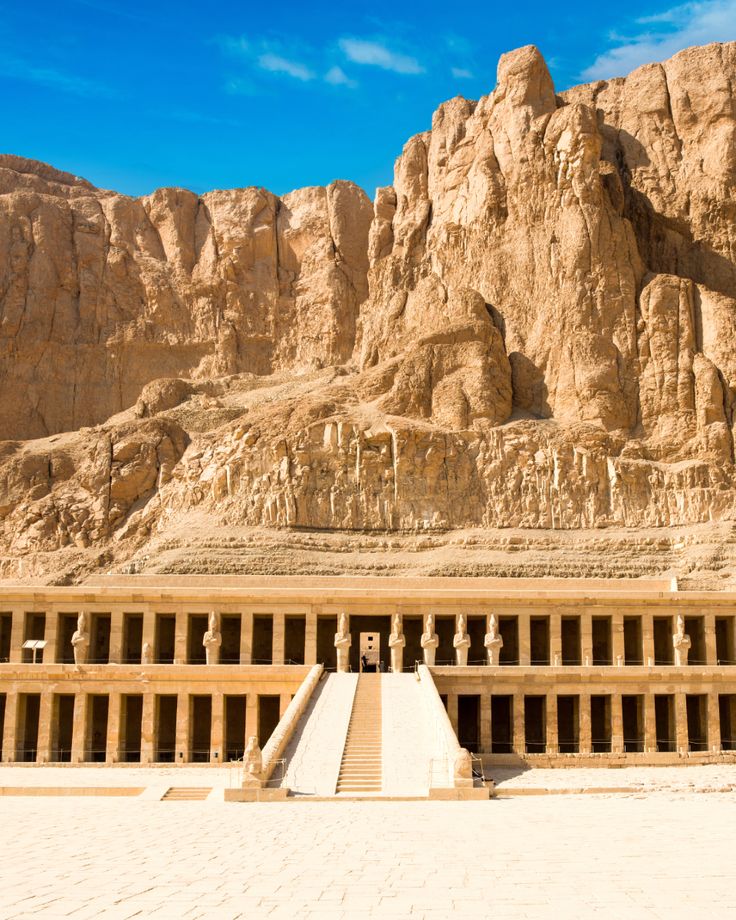
Mortuary Temple of Hatshepsut
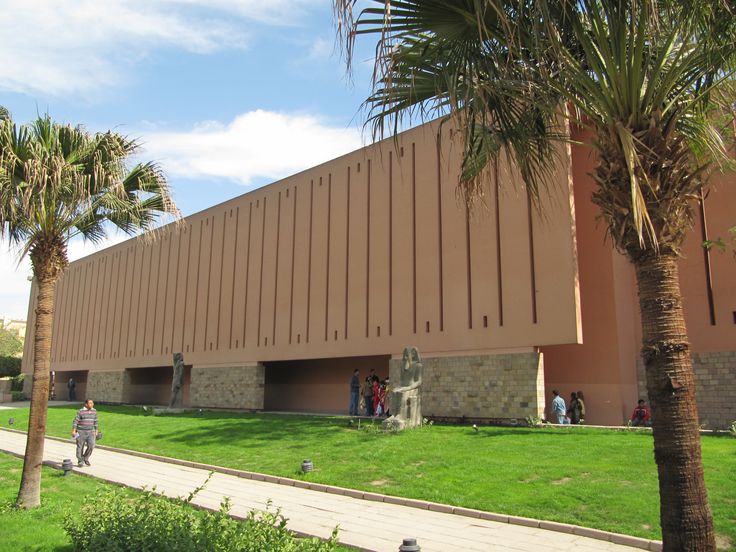
Luxor Museum
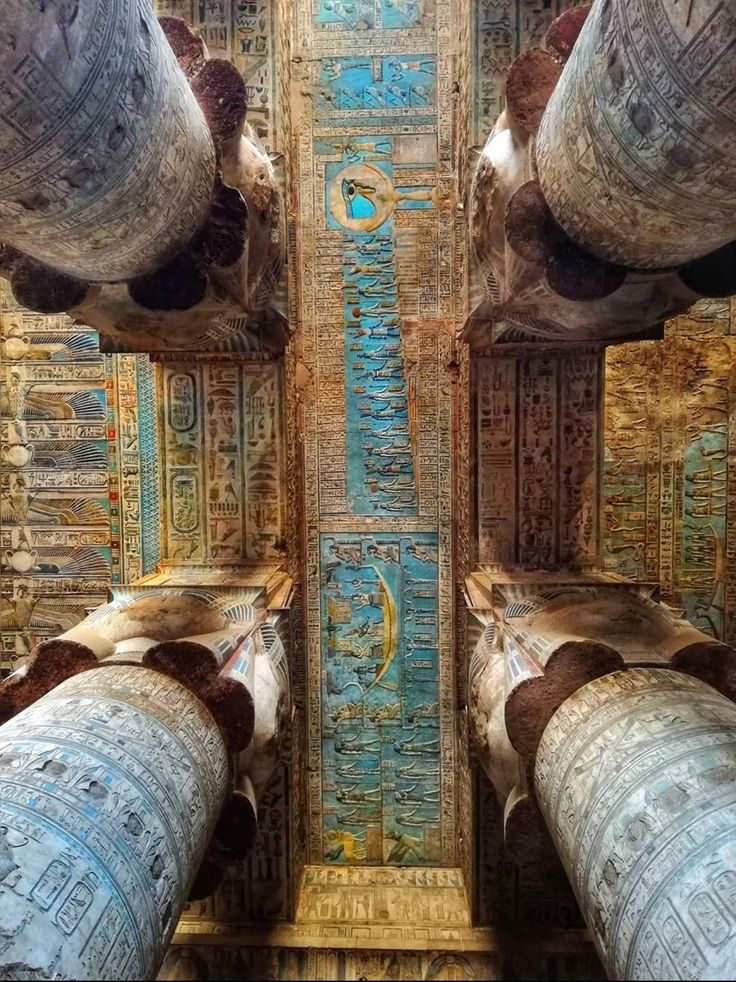
Temple of Dendera
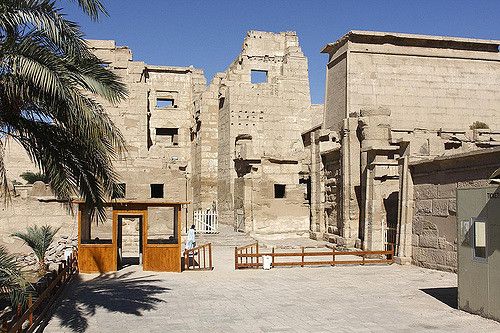
Madinat Habu Temple
Tips
Beat the Heat on the West Bank: Start your day as early as 6:00 AM for the Valley of the Kings. The desert valley traps heat quickly, making it uncomfortable by midday. The "Three Tomb" Rule: A standard ticket to the Valley of the Kings allows entry into three tombs. Research which ones are currently open (they rotate for preservation) to choose the best ones for your interests. Modest Dress is Preferred: While Luxor is used to tourists, wearing clothing that covers shoulders and knees is respectful, especially when visiting the East Bank city center or mosques. Bargain with a Smile: In the Luxor Souq, initial prices are often triple what the seller expects. Be firm but friendly; it’s part of the local social fabric. Temple Photography: Photography is allowed in most places, but some royal tombs require an additional "photography ticket" or strictly forbid flash to protect the ancient pigments. West Bank vs. East Bank Dining: The East Bank has more high-end and fast-food options, while the West Bank offers many charming, rooftop "farm-to-table" style restaurants with views of the floodplains.
Packages in Luxor
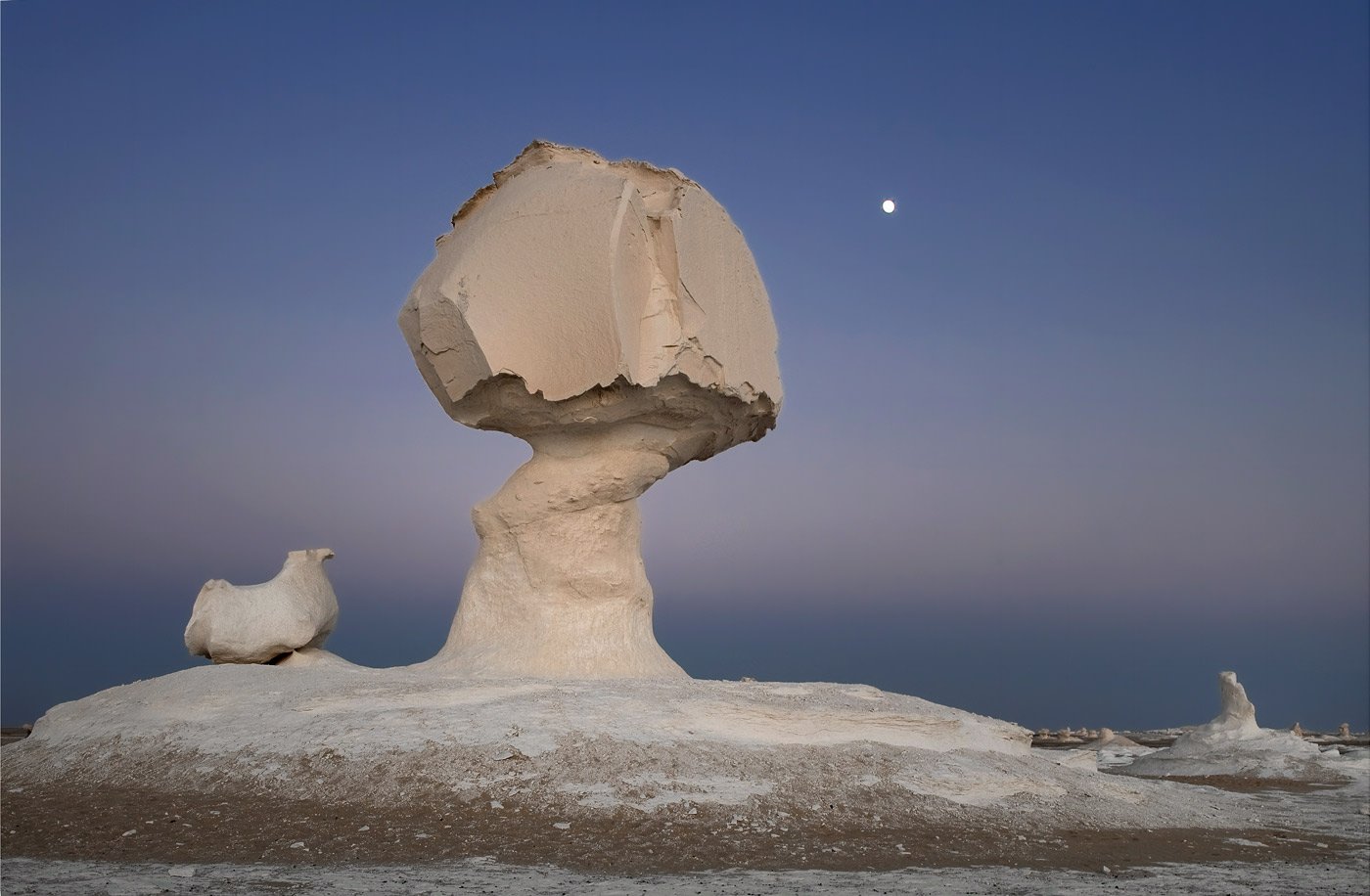
Western Desert & Luxor
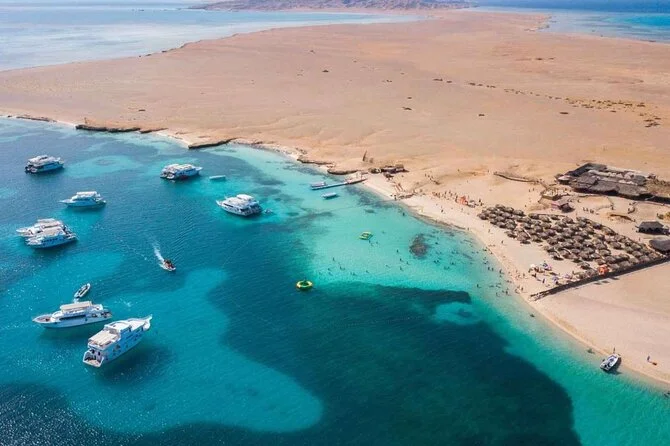
Ancient Egypt & The Red Sea Cairo, Luxor & Hurghada
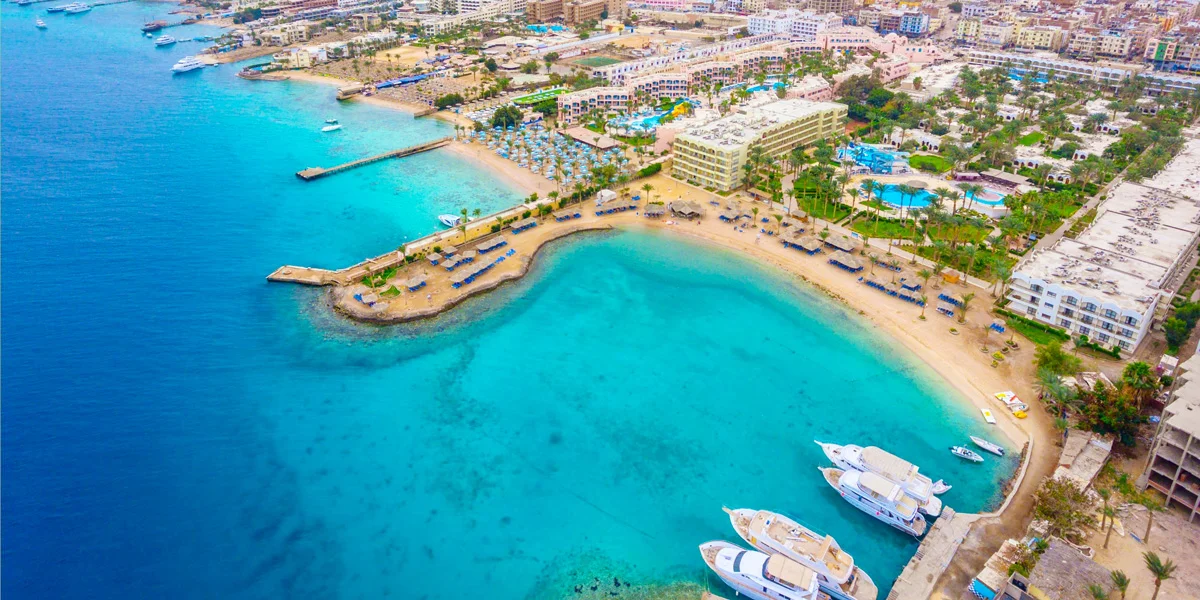
Splendor of Egypt
Splendor River Nile
Classical Egypt

Best of Egypt
Highlights of Cairo & Luxor
Nile in Style
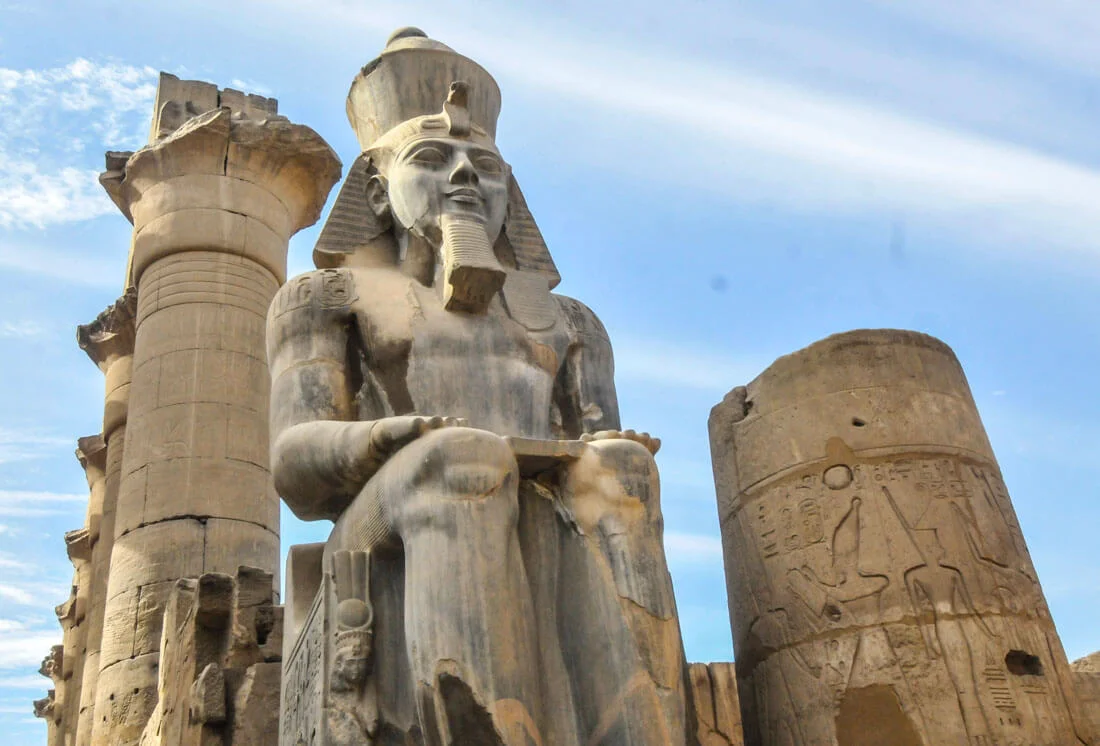
Budget Tour of Egypt
Tours in Luxor
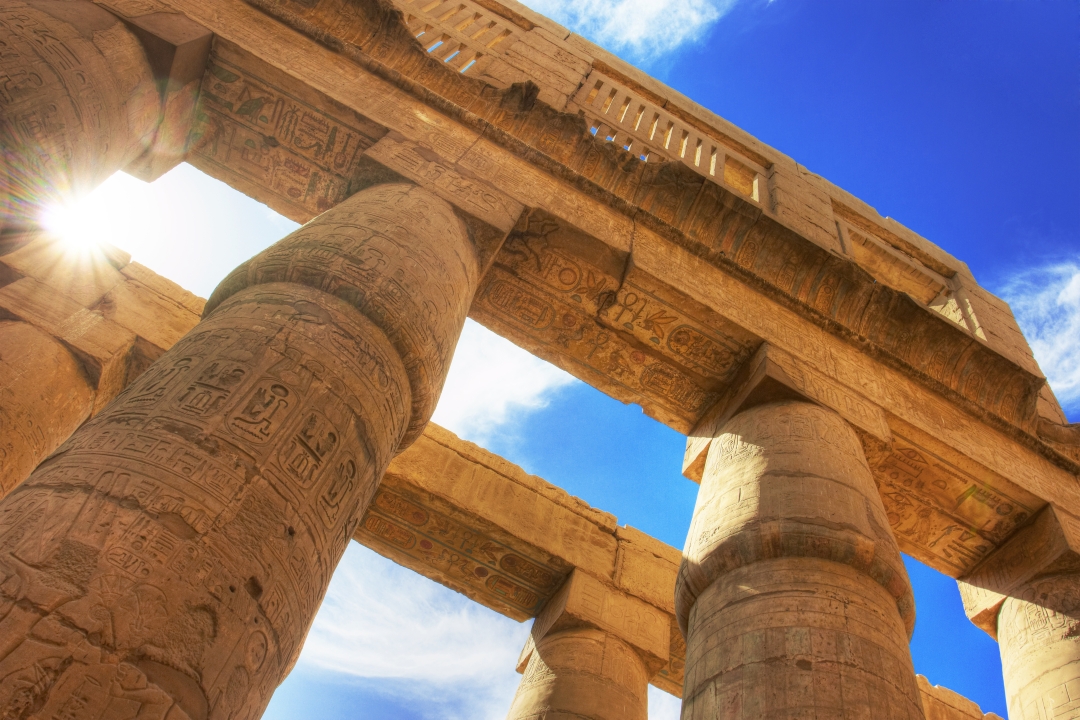 BESTSELLER
Luxor East & West Bank Full-Day Tour
Explore the Valley of the Kings, Karnak Temple, and Luxor's greatest ancient sites.
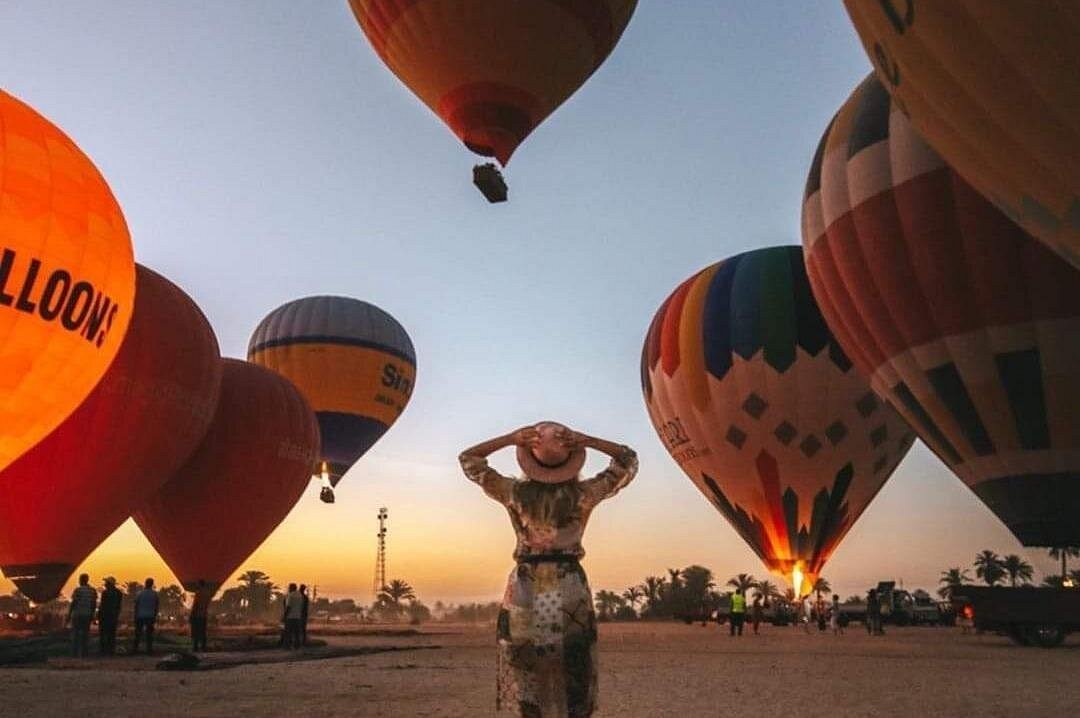 BESTSELLER
Sunrise Hot Air Balloon Ride over Luxor
Soar above the Valley of the Kings at sunrise for breathtaking panoramic views.
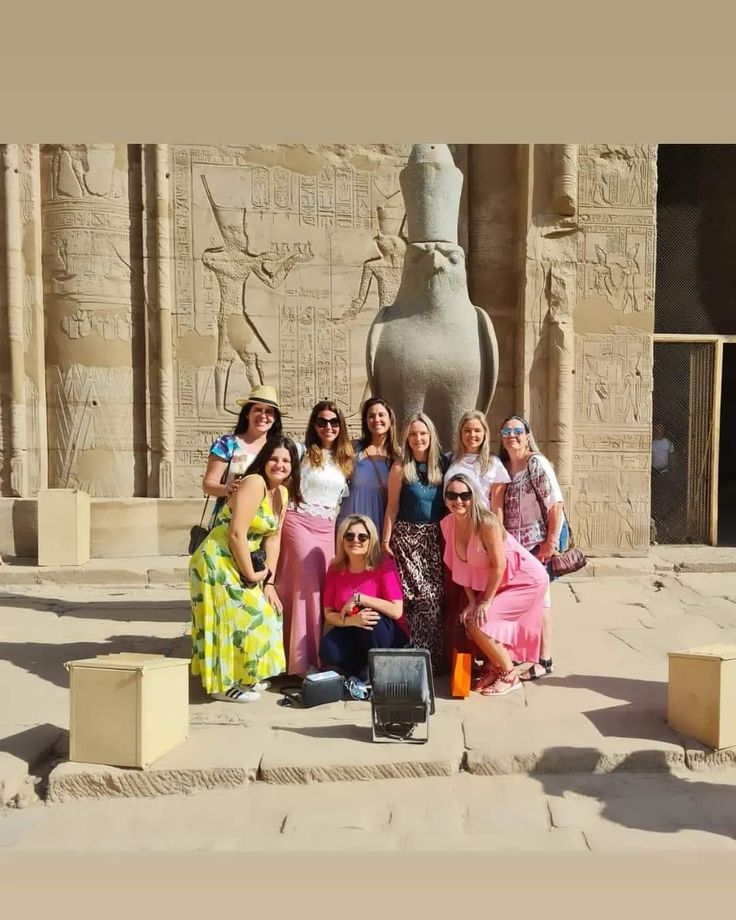 NEW
NEWEdfu & Kom Ombo All-Inclusive Day Trip from Luxor
Discover the Nile’s most legendary temples on a seamless day trip from Luxor. Explore the remarkably preserved Temple of Horus in Edfu and the unique symmetrical Temple of Kom Ombo. This all-inclusive experience includes transportation in our modern fleet, expert Egyptologist guides, all entry fees, and an authentic local lunch.